 EN
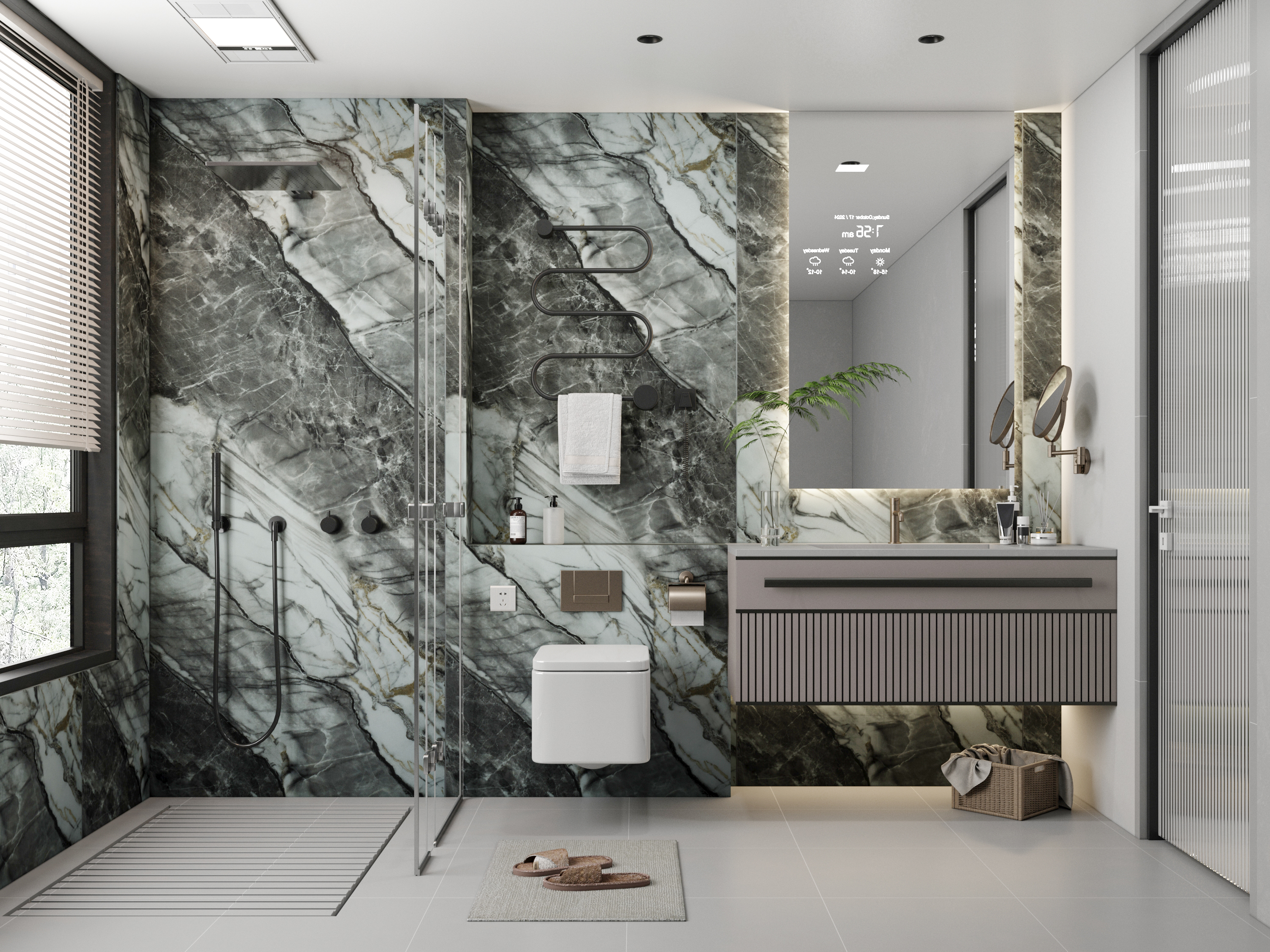
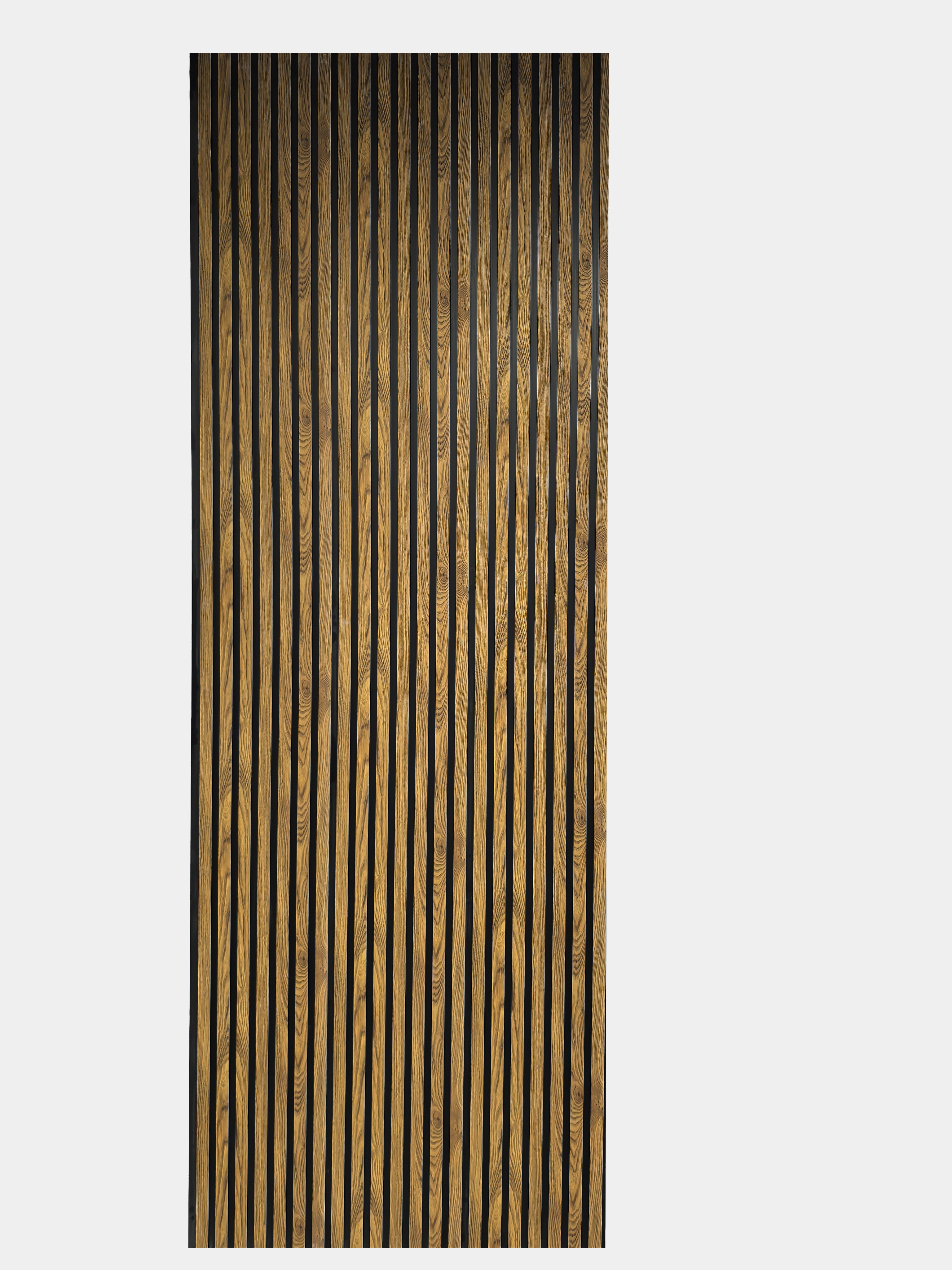
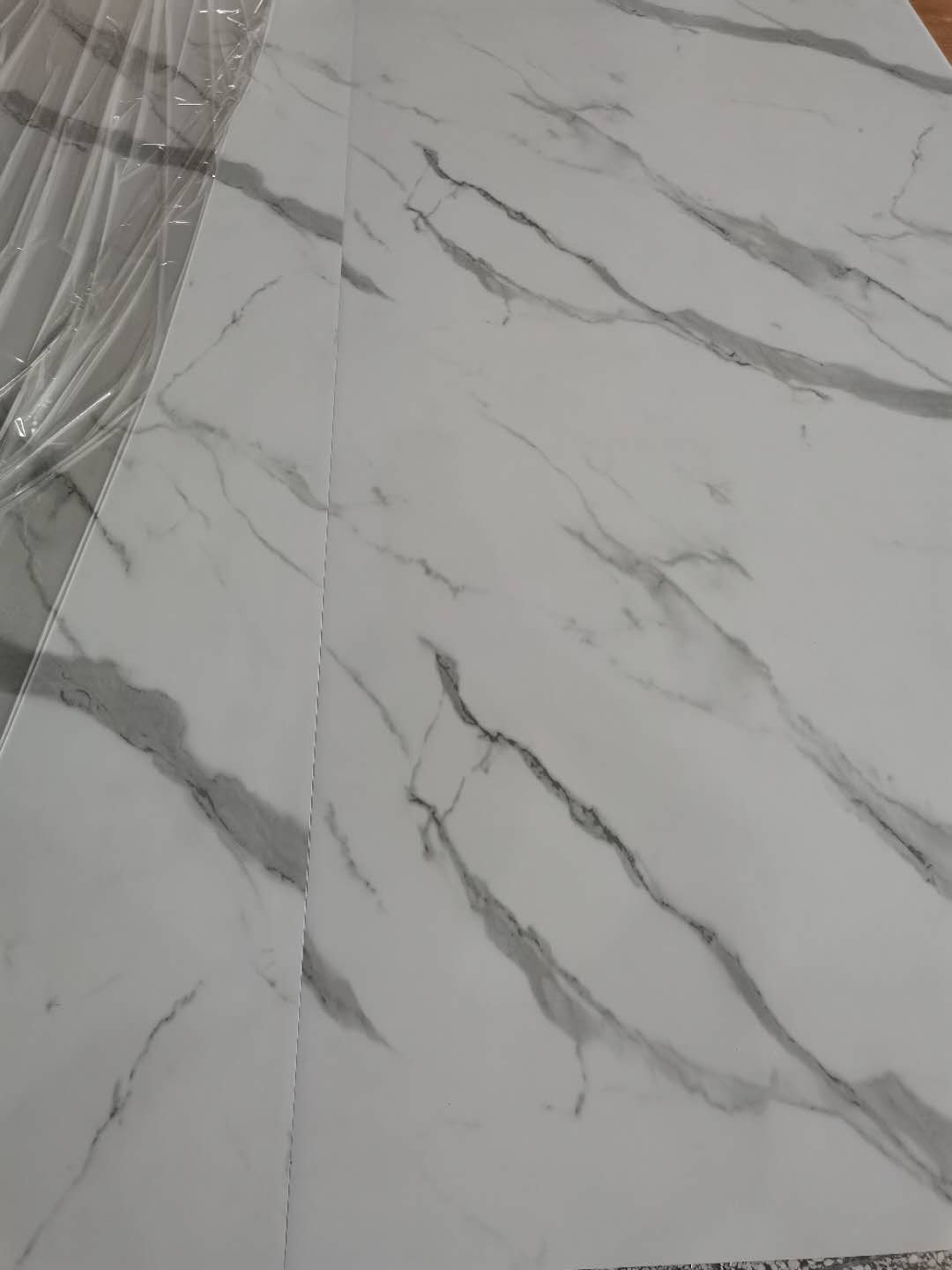
PVC waterproof bathroom wall panels are an innovative and practical solution for enhancing the aesthetics and functionality of modern bathrooms. These panels are designed to resist moisture and mold, making them an ideal choice for wet environments. For purchasing managers, distributors, and engineers, understanding the technical specifications, applications, and potential challenges of these panels is crucial when selecting the right product for a project. This article will provide insights into where to find reliable suppliers, cost factors, applications, common problems, and the benefits of using PVC materials in waterproof bathroom designs.
Cost Factors to Consider When Purchasing PVC Wall Panels
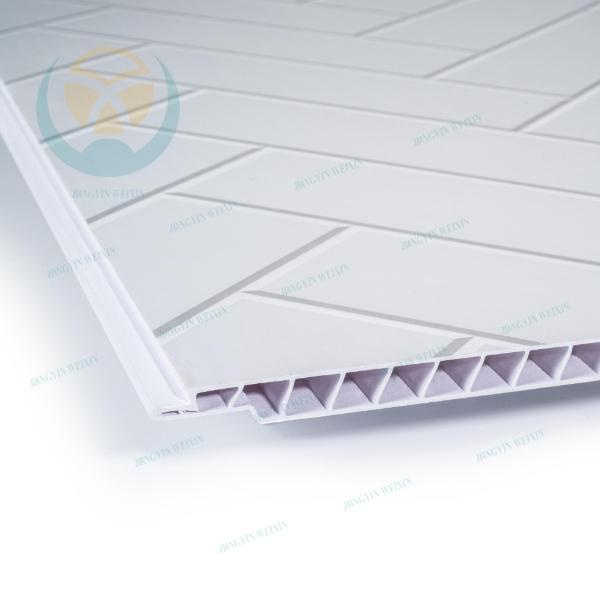
When budgeting for PVC waterproof bathroom wall panels, several cost factors should be taken into account. The price can vary based on material quality, panel size, thickness, and custom features such as digital printing or lamination. For instance, thicker panels typically offer better durability and moisture resistance, which can justify a higher initial cost.
Also, consider the minimum order quantities (MOQs) that suppliers set, as this can impact total costs. Bulk orders may reduce the price per unit, but assess whether the quantity aligns with your project needs to avoid excess inventory. Shipping costs can also influence the total expenditure, especially if you're sourcing from international suppliers. Be sure to clarify lead times, as longer shipping durations can affect project timelines and costs.