Choosing PVC Cladding Panels for Your Projects

All Categories

Pvc cladding panels

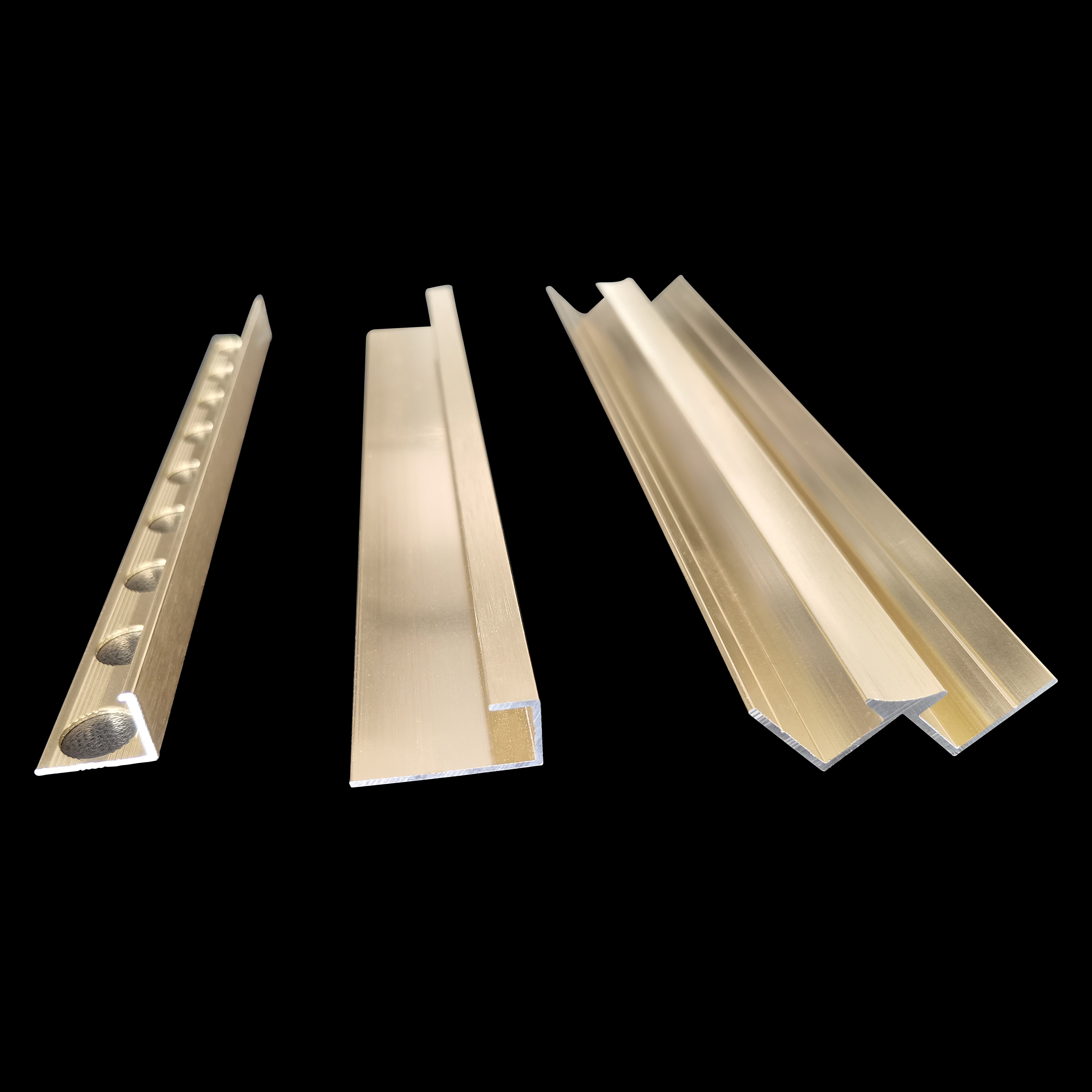
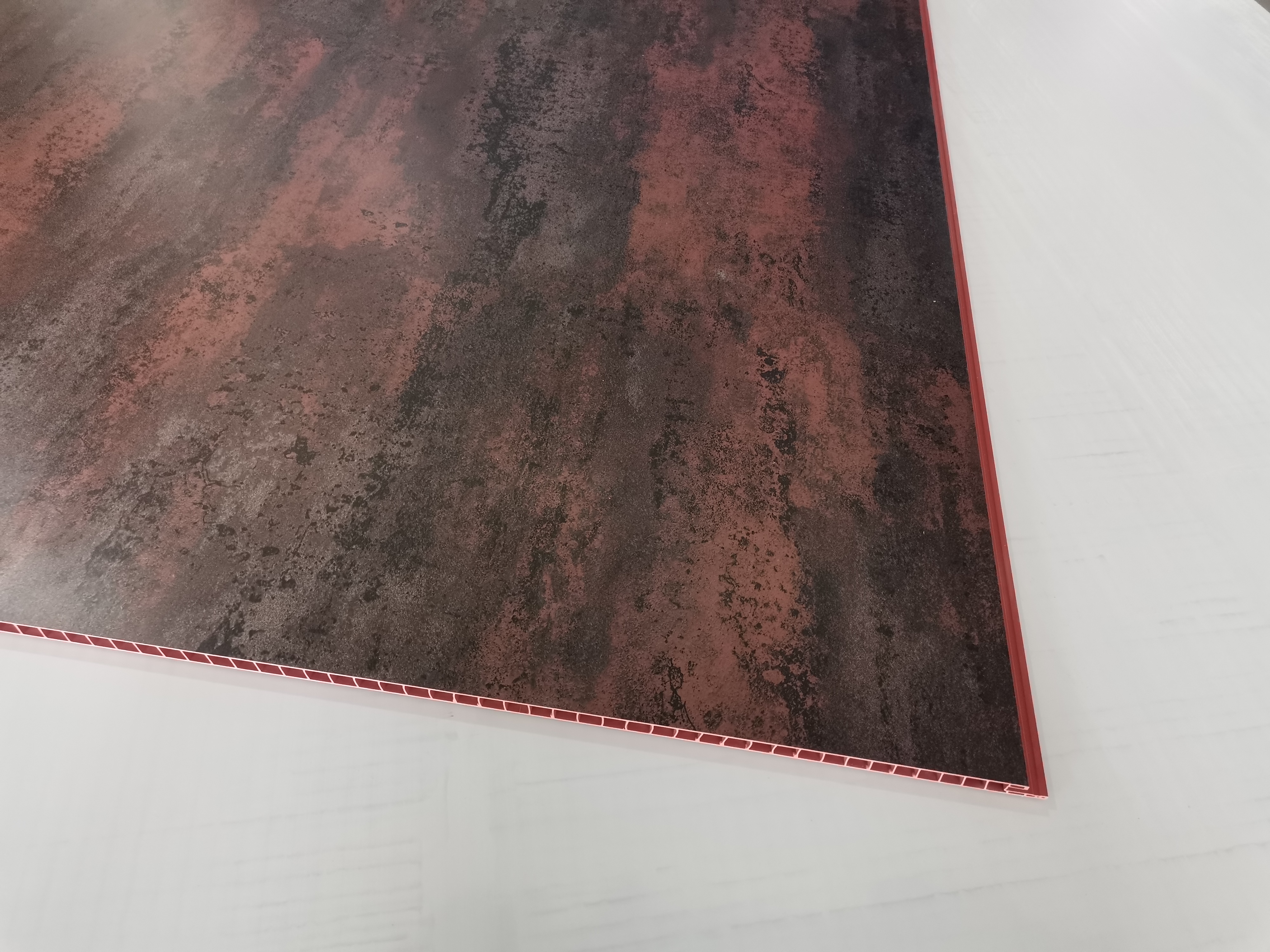
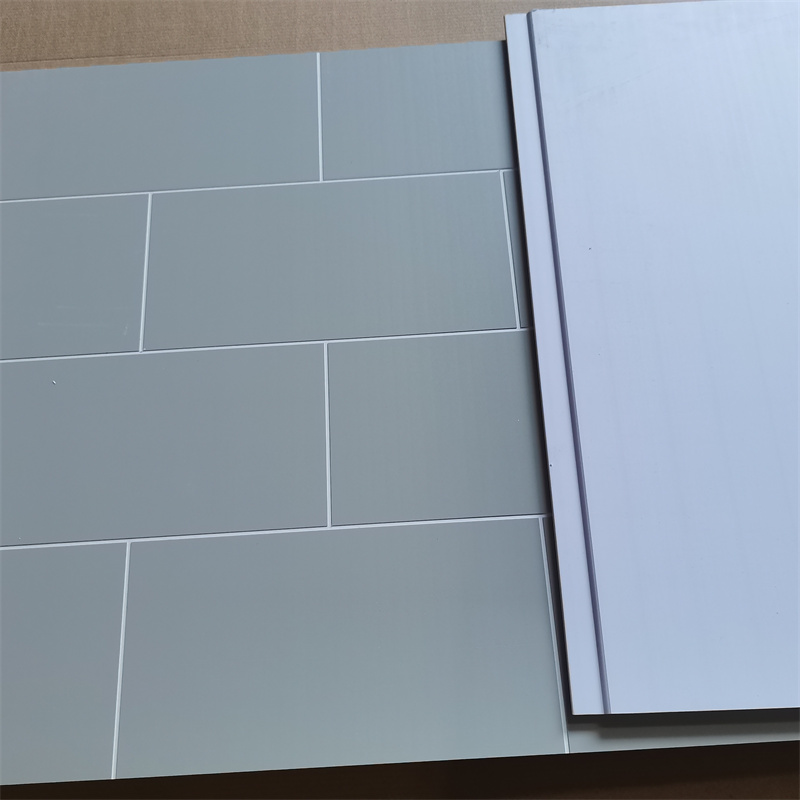
PVC cladding panels are versatile, durable wall and ceiling coverings made from polyvinyl chloride (PVC), commonly used in various applications across multiple industries. As a B2B buyer, understanding the specifications, cost factors, common challenges, and diverse applications of PVC cladding panels is crucial for making informed procurement decisions. This bath panel pvc article delves into these aspects, ensuring you are equipped with the necessary knowledge before sourcing these panels for your projects.
Our Products

When evaluating PVC cladding panels

When evaluating PVC cladding panels

When evaluating PVC cladding panels, several technical specifications should be closely examined:

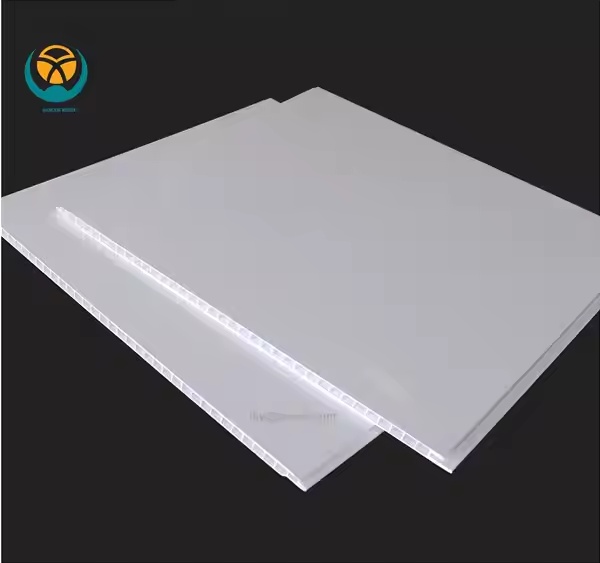
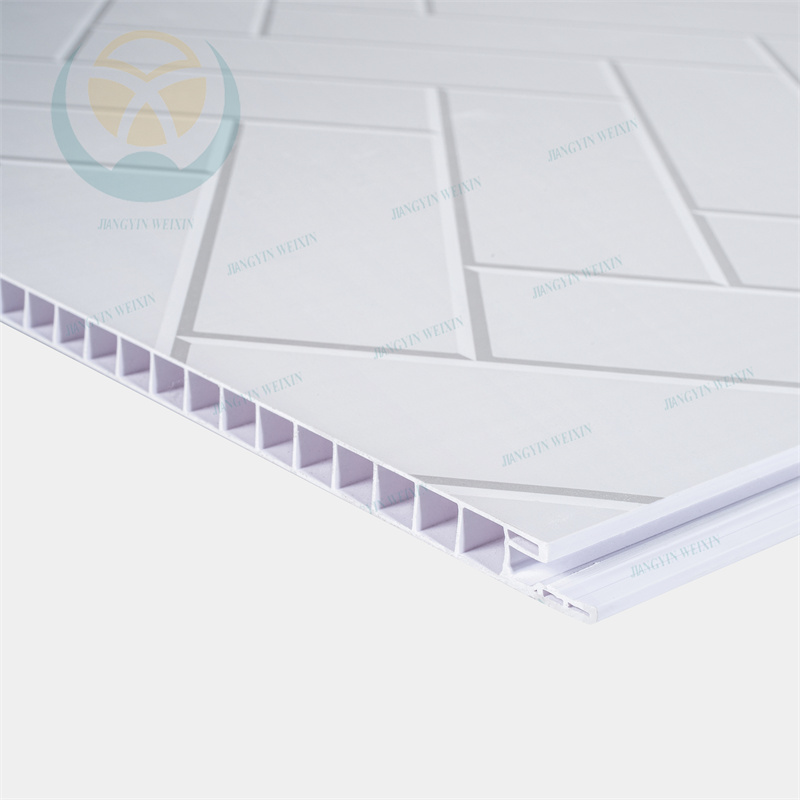
Thickness: Typically ranging from 5mm to 10mm, the thickness of the panels affects their durability and insulation properties. Thicker panels are generally more robust and suitable for high-traffic or high-moisture areas. 

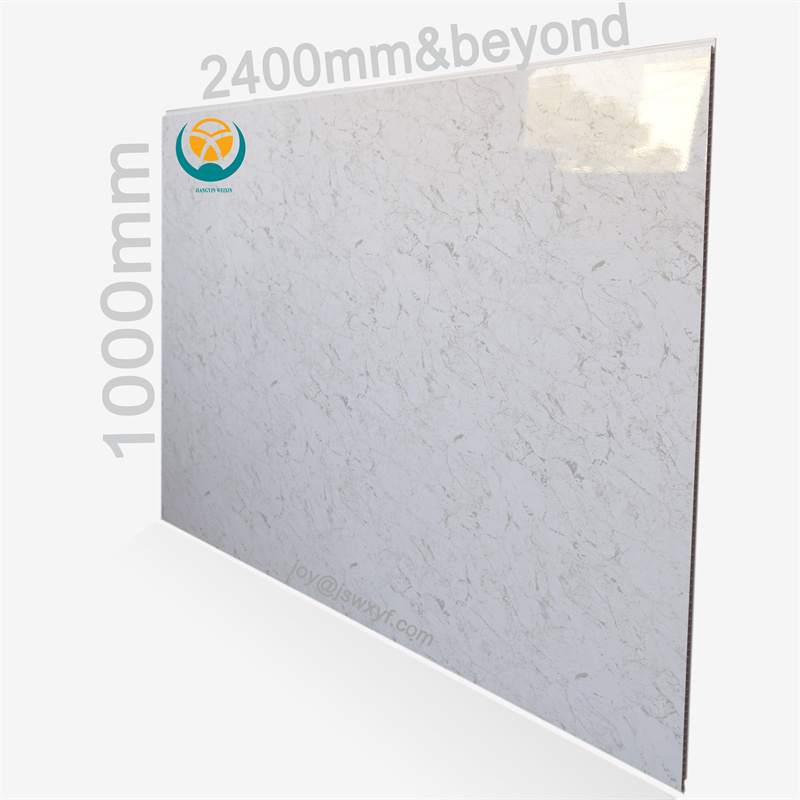
Dimensions: Standard dimensions vary, but panels usually come in 2.4m x 1.2m sheets. Custom dimensions can be requested based on project requirements, allowing for flexibility in design. 

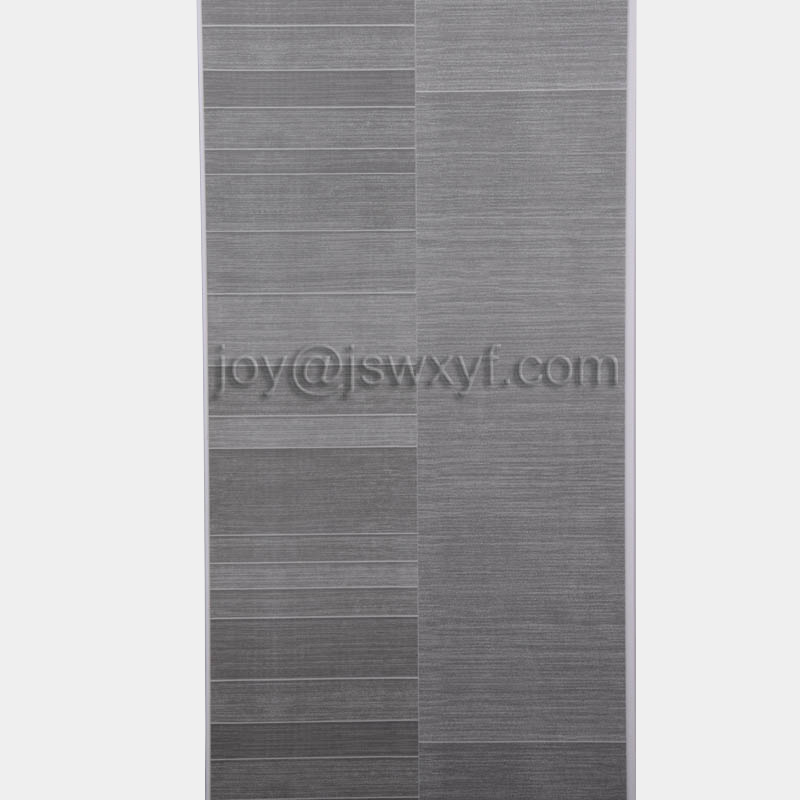
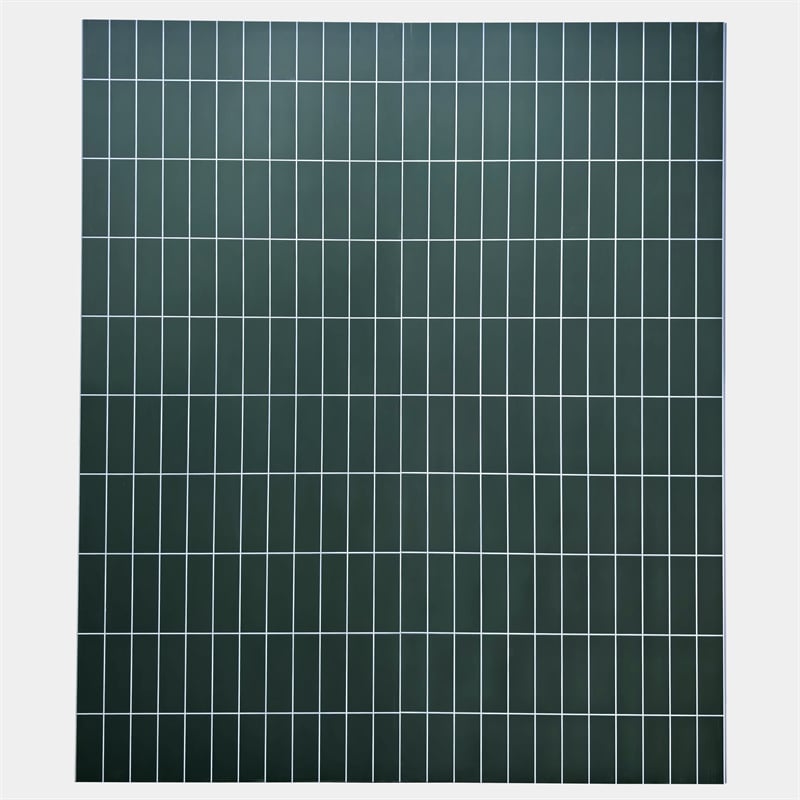
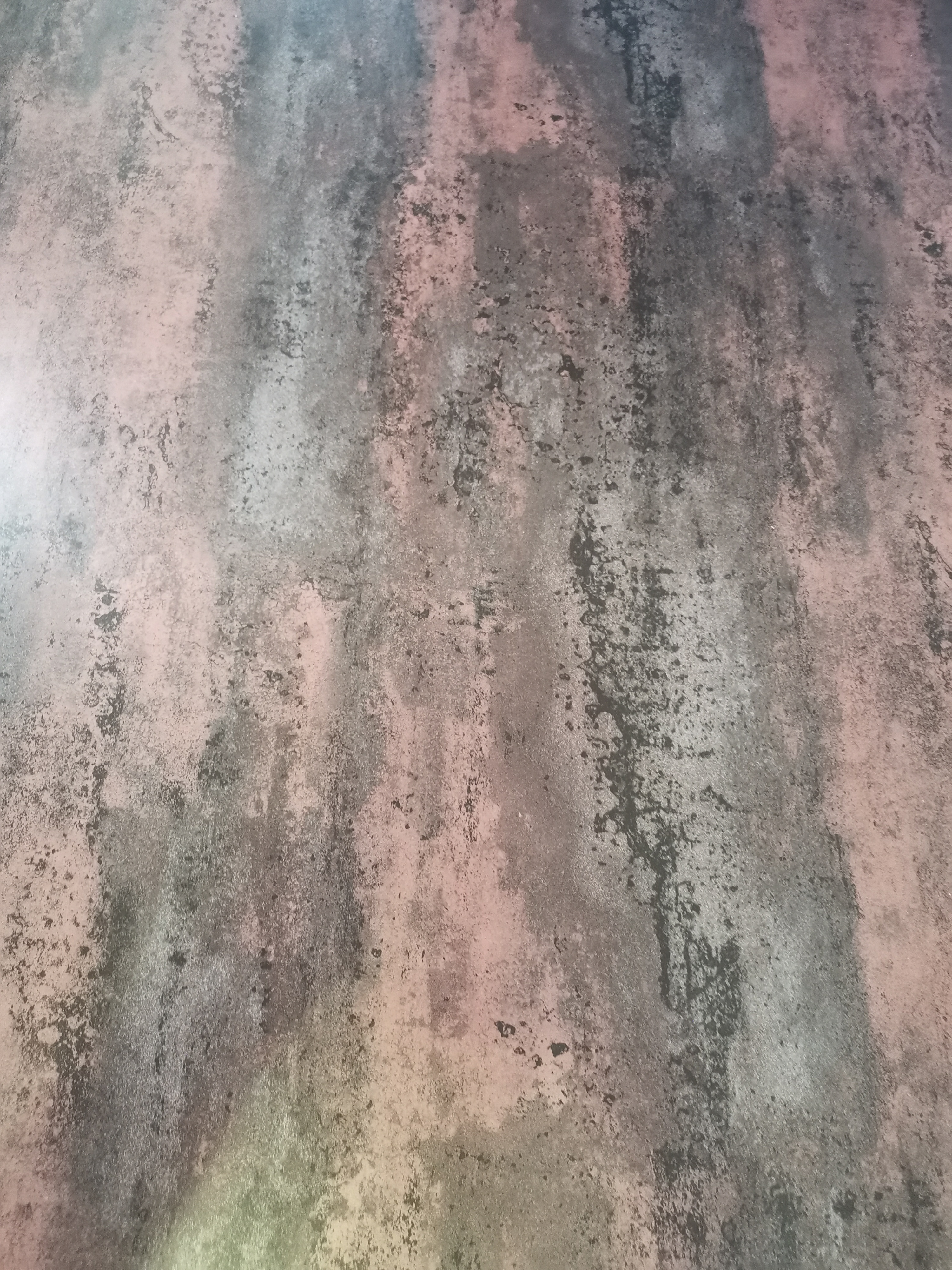
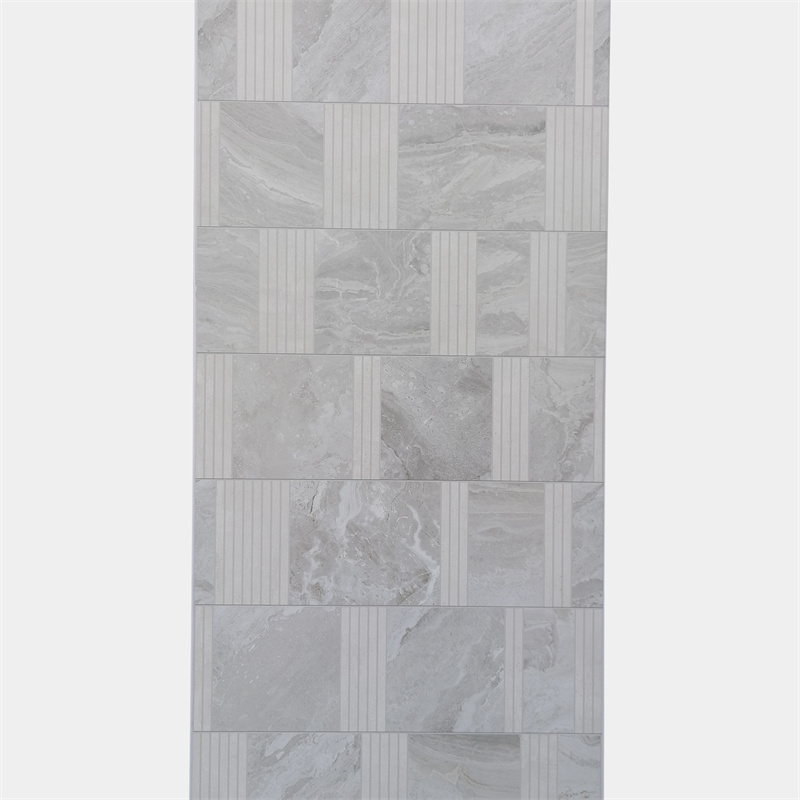
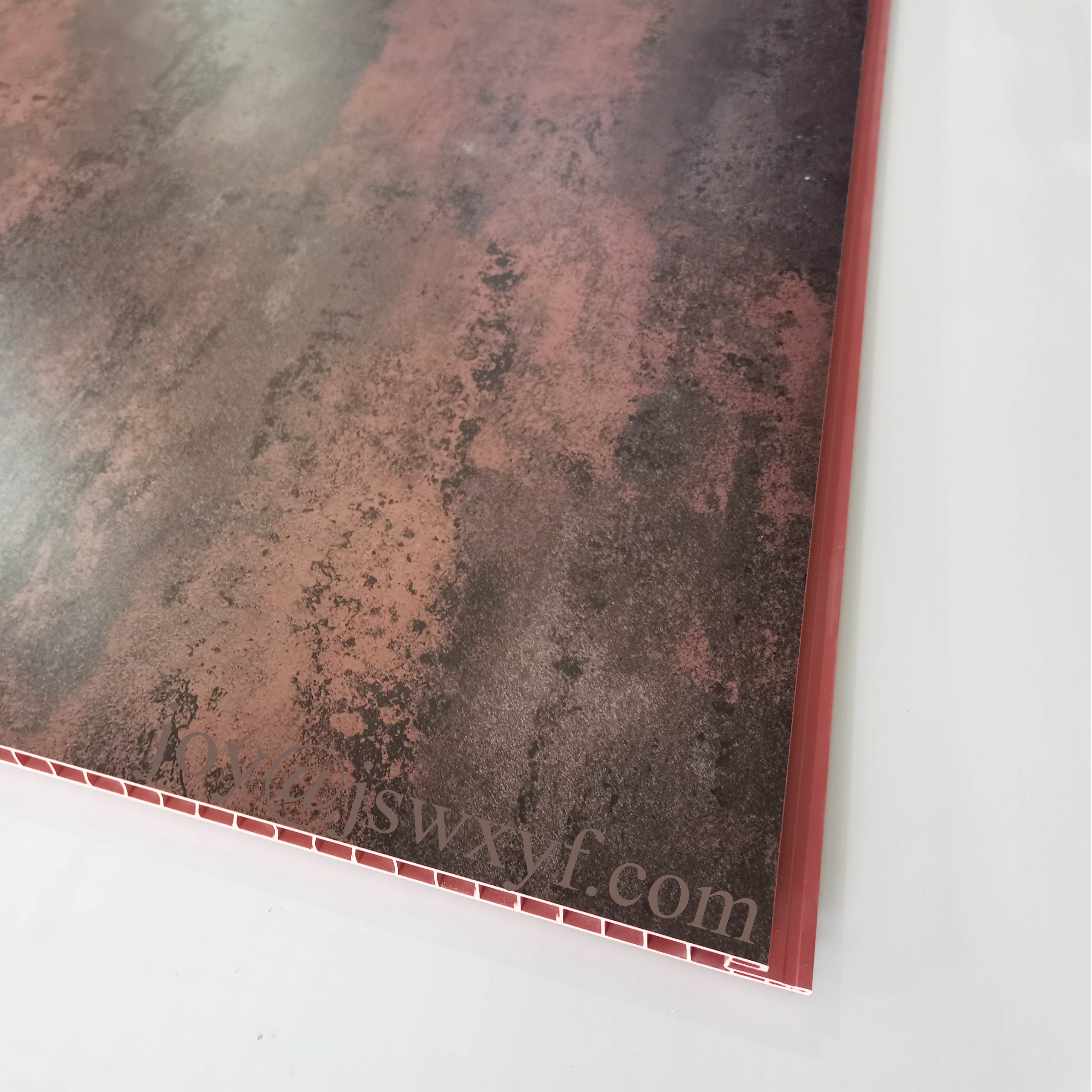
Surface Finish: Panels can have various surface treatments, including glossy, matte, or textured finishes. The bathroom cladding choice of finish impacts not only aesthetics but also the ease of cleaning and maintenance. 

Material Composition: High-quality PVC panels may include additional additives to enhance properties such as UV resistance, fire retardant, and impact resistance. Buyers should confirm that the panels meet relevant industry standards for safety and performance. 

Installation Requirements: Understanding the installation process is crucial. Panels can be installed using adhesive or mechanical fixing methods, depending on the substrate and application. Proper installation ensures longevity and performance. 
When sourcing PVC cladding panels

When sourcing PVC cladding panels

When sourcing PVC cladding panels, several cost factors should be taken into account: 

Material Costs: The price of PVC panels varies based on thickness, finish, and quality. Higher-quality materials with added features such as UV protection may come at a premium but can offer better longevity and performance. 

Customization: Customized panels, whether in terms of dimensions, colors, or patterns, may incur additional costs. Discussing your specific requirements with the manufacturer upfront can help you understand any potential price variations. 

Quantity: Bulk orders typically reduce the unit cost of each panel. However, minimum order quantities (MOQs) can vary by supplier, so it’s essential to confirm these details early in the sourcing process. 

Shipping and Handling: Depending on the shipping destination and logistics involved, transportation costs can affect the overall pricing. Buyers should consider these costs when comparing suppliers. 

Lead Times: Production and delivery timelines can impact project schedules. Understanding the lead times for manufacturing and shipping is crucial for planning, especially if your project has tight deadlines. 

While PVC cladding panels are generally robust

While PVC cladding panels are generally robust

While PVC cladding panels are generally robust, buyers should be aware of potential problems and their solutions: 

Warping and Bending: Panels may warp if exposed to extreme temperatures or moisture during storage. To mitigate this, ensure proper storage conditions and avoid direct sunlight exposure before installation. 

Surface Damage: Scratches and dents can occur during handling and installation. Using protective coverings during transportation and ensuring that installation personnel are trained can help minimize this risk. 

Adhesive Failure: Poor adhesion can lead to panel detachment. It is crucial to select the right adhesive based on the panel's surface and the substrate material. Conducting a test installation can also help verify adhesion quality. 

Color Fading: Over time, exposure to UV light can cause color fading. Choosing panels with UV-resistant additives can help maintain their appearance over time. 

Moisture Infiltration: While PVC is generally moisture-resistant, proper sealing during installation is vital to prevent water infiltration. Buyers should ensure that installers use appropriate sealants and techniques. 

PVC cladding panels have a wide range

PVC cladding panels have a wide range of applications across multiple industries, including: 

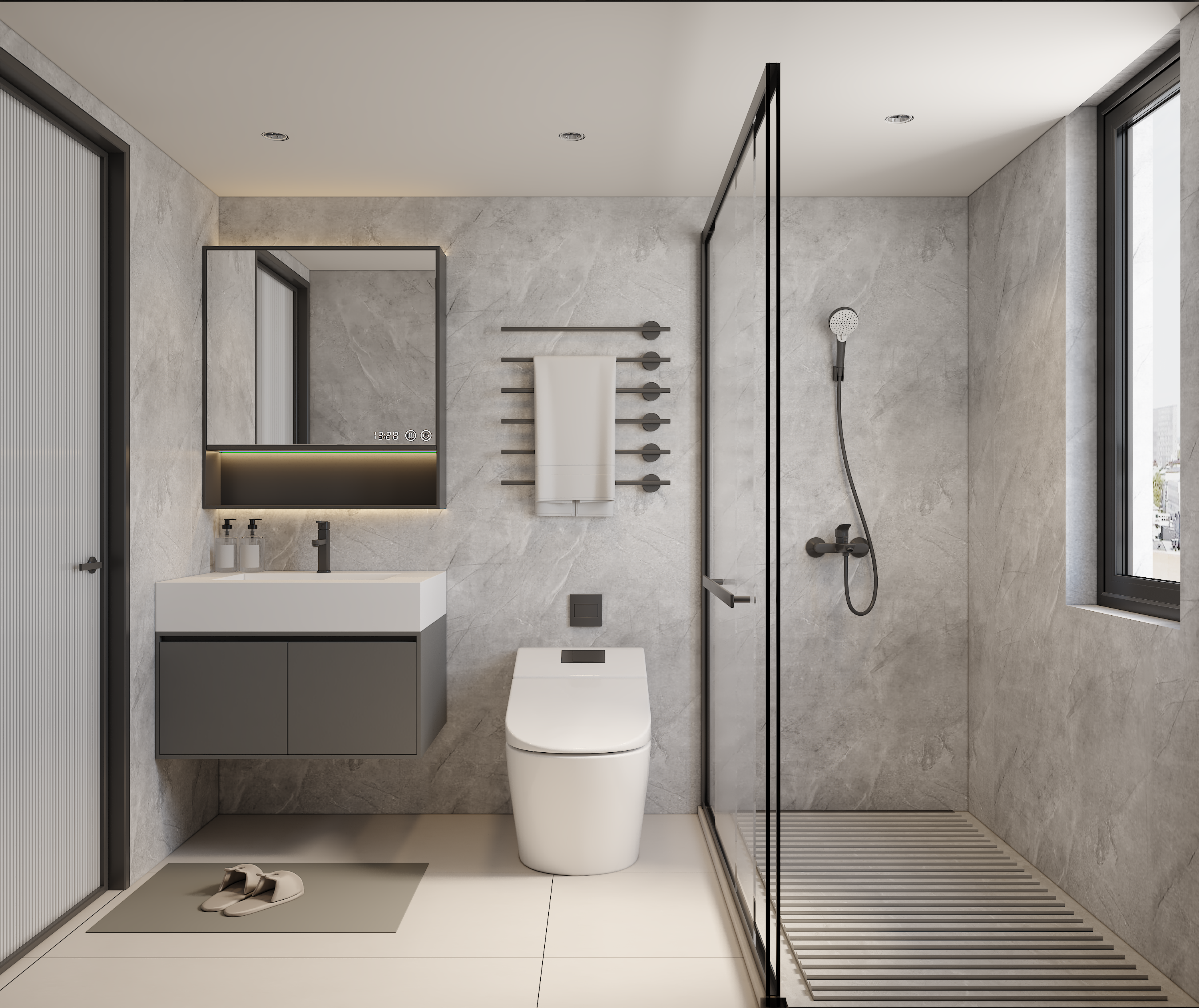
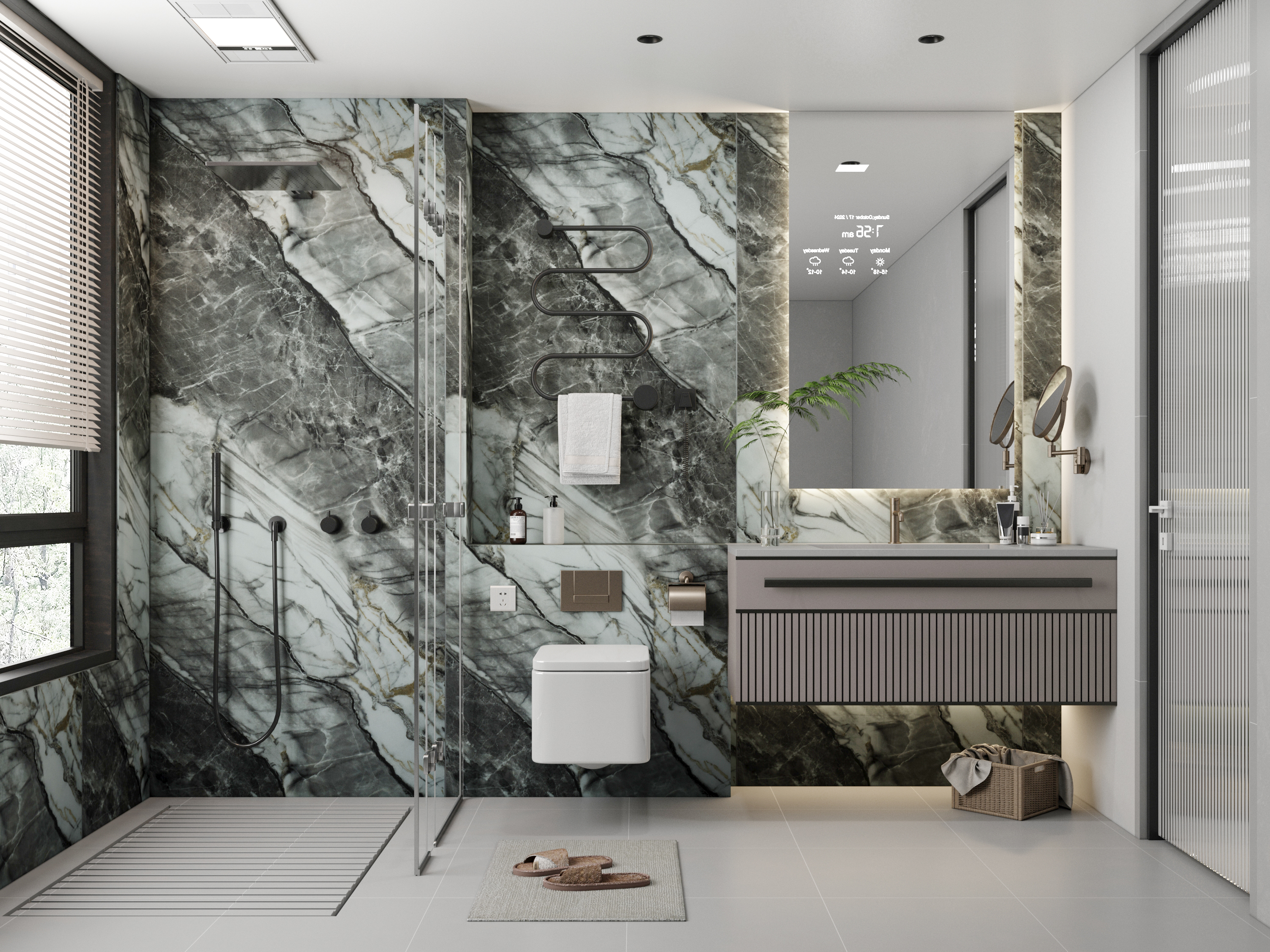
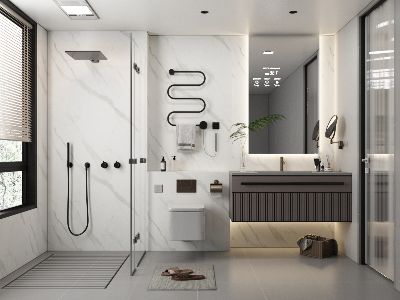
Construction and Renovation: Widely used in bathrooms and kitchens for wall and ceiling coverings, PVC panels provide a water-resistant option that is easy to clean and maintain. 

Healthcare: In hospitals and clinics, PVC cladding panels are utilized for wall protection due to their hygienic properties and ease of disinfection, helping to maintain sterile environments. 

Food Processing: The food industry benefits from PVC panels' moisture resistance and ease of cleaning, making them suitable for use in food preparation areas and storage. 

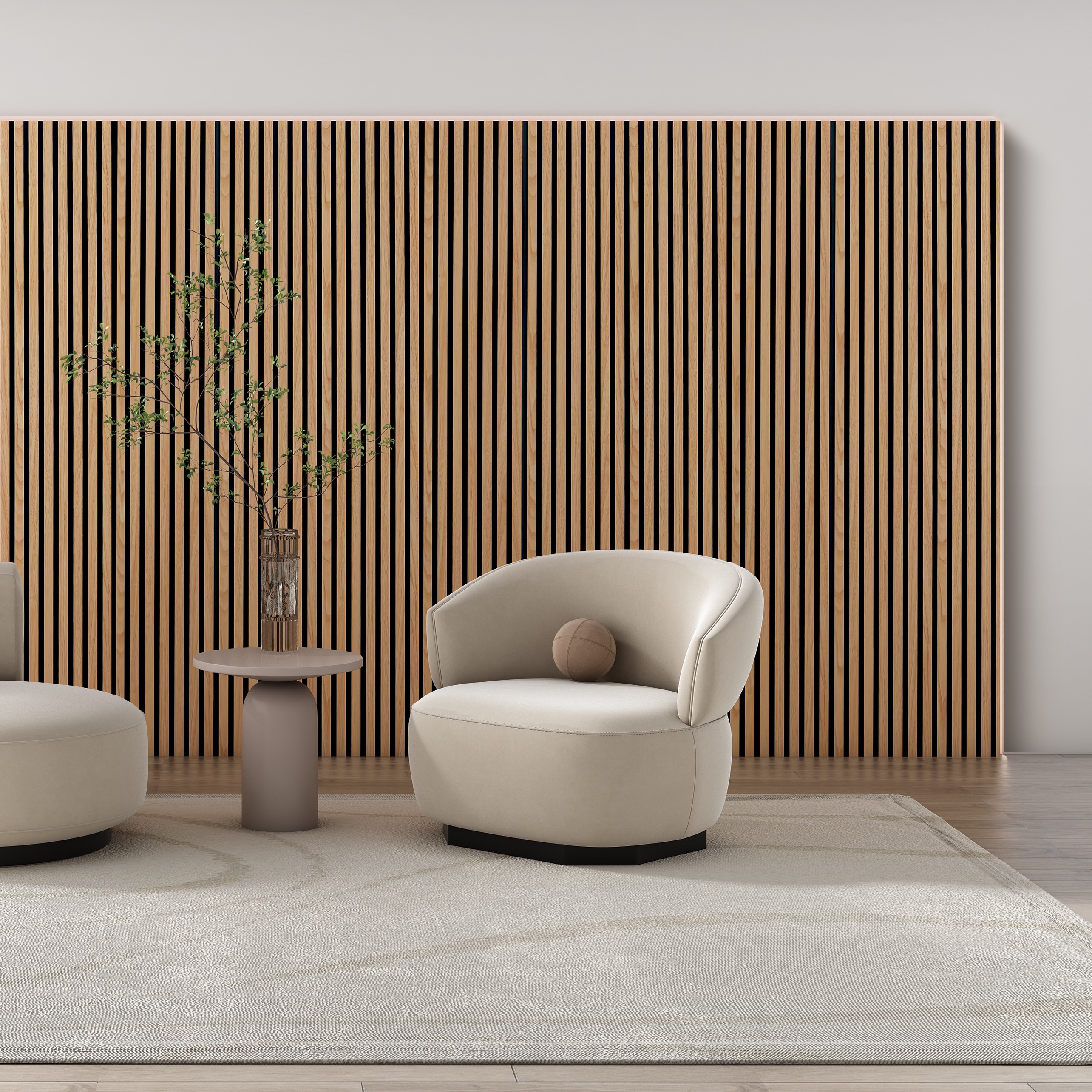
Retail and Commercial Spaces: Retail environments often use PVC panels for decorative wall coverings and displays due to their aesthetic appeal and versatility. 

Transportation: PVC panels are also used in vehicles and public transport for interior wall coverings, providing lightweight and durable solutions that can withstand wear and tear. 

By understanding the specific applications and benefits of PVC cladding panels, buyers can make informed decisions that align with their project needs and industry standards. 

In summary, PVC cladding panels are a practical choice for a variety of applications, offering durability, aesthetic flexibility, and ease of maintenance. As a buyer, being informed about specifications, cost factors, potential issues, and industry applications will help you successfully source the right products for your needs. 

PVC cladding panels are lightweight

PVC cladding panels are lightweight, moisture-resistant materials that provide aesthetic appeal and functional benefits in both commercial and residential environments. They aqua panels are commonly used for shower walls, ceilings, and slat wall applications, making them a popular choice in construction and renovation projects. Buyers should be aware of various factors such as the panels' thickness, finish options, and installation requirements, as these can significantly affect performance and overall project cost. In addition, understanding the manufacturing capabilities of your supplier, including their customization options and quality control processes, is vital for ensuring the panels meet your specific needs. 

Why choose Weixin Pvc cladding panels

Strong Global Export Experience and Market Presence

Since 2000, our experienced international sales team has directly exported to Europe, Australia, and the Americas, building long-term client relationships through deep market understanding, reliable logistics, and attentive after-sales support.

Diverse Product Range and Customization Capabilities

We offer PVC panels in widths from 20cm to 120cm, with options for digital print, roller print, hot transfer, satin, and high-gloss finishes, providing versatile, design‑focused solutions for shower walls, ceilings, slat walls, and decorative interiors.

30 Years of Specialized PVC Panel Manufacturing Expertise

Founded in 1994, we have three decades of industry experience in producing a wide range of PVC wall and ceiling panels, supported by advanced extrusion, printing, lamination, and CNC technologies for high-quality, customizable solutions.

Comprehensive In-House Production and Quality Control

Operating from a 29,000 m² factory with 120+ professionals, we control the entire production process—from extrusion and UV coating to final inspection—ensuring every panel meets strict size, finish, and performance standards before shipment.

Our Blog Posts

Are PVC Shower Panels Really 100% Waterproof?

28

Sep

Are PVC Shower Panels Really 100% Waterproof?

Are PVC shower panels really 100% waterproof? Let's find out! Most marketers are going to tell you that PVC shower paneling is 100% waterproof, are they correct? They're actually correct! It’s just that the PVC panels are water-resistant, and th...
View More
PVC Shower Wall Panels vs. Traditional Tile: Which is Better?

29

Dec

PVC Shower Wall Panels vs. Traditional Tile: Which is Better?

If you are considering a bathroom renovation or addition to your home, one big question is what material you should use for the shower walls. Two of the most popular options are traditional tile and PVC shower wall panels. Both have their advantages ...
View More
The Pros and Cons of Waterproof PVC Shower Wall Panels

04

Jan

The Pros and Cons of Waterproof PVC Shower Wall Panels

They are ideal because they keep water out, making them suitable for bathrooms. There are a lot of different styles and colors available for these panels so you can choose the look that suits your bathroom. They are also easy to clean, a big reason p...
View More
Top Benefits of Using PVC Walls in Wet Rooms

07

Jan

Top Benefits of Using PVC Walls in Wet Rooms

Wet rooms are special sections of a house where you can have showers without curtains or doors. These can get really wet, so picking the right materials is super important. PVC walls are one of the best options for wet rooms. PVC is short for polyvin...
View More

Get a Free Quote

Our representative will contact you soon.
Email
Name
Company Name
Message
0/1000