 EN
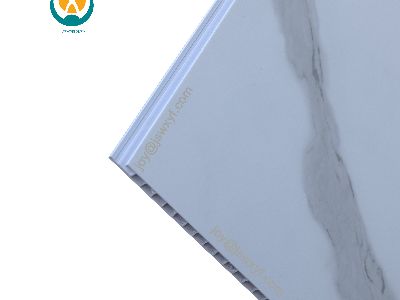
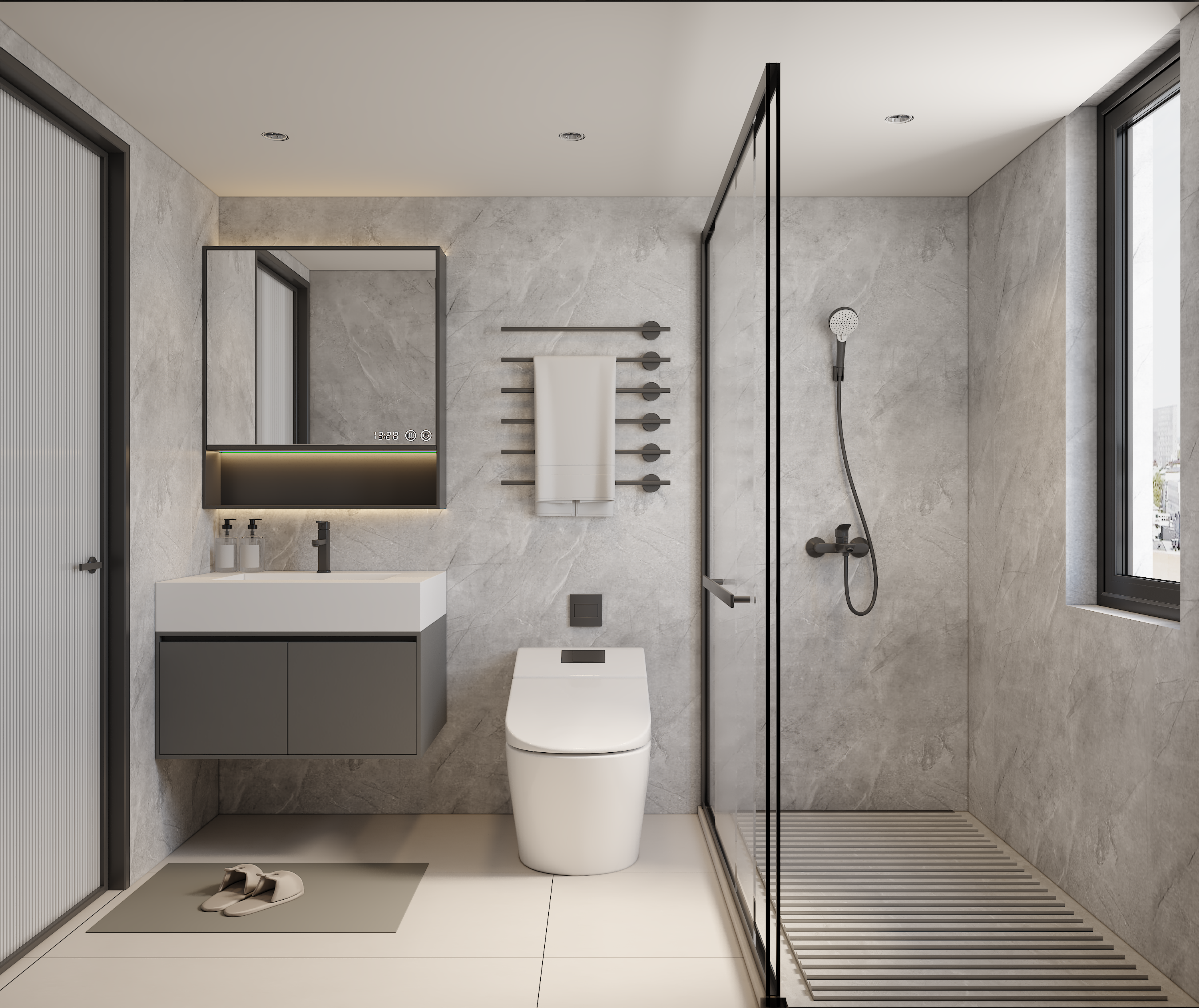
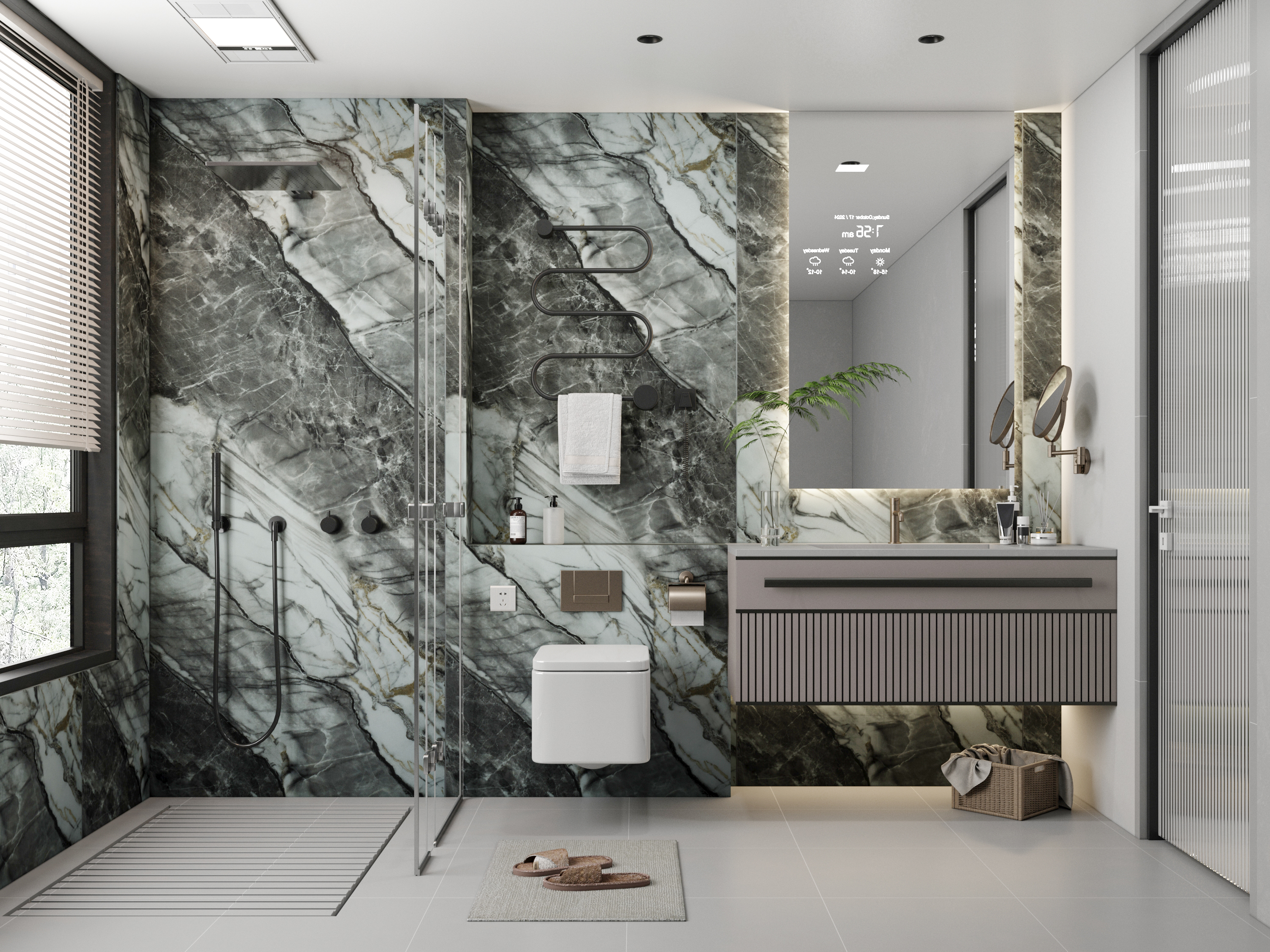
PVC cladding boards are versatile building materials made from polyvinyl chloride, specifically designed for wall and ceiling applications. These boards are gaining popularity in various industries due to their durability, ease of maintenance, and aesthetic appeal. For B2B buyers, including purchasing managers and contractors, understanding the specifications, applications, and advantages of PVC cladding boards is crucial for making informed purchasing decisions. This article will provide insights into key factors to consider when selecting ceiling boards pvc, a contractor's perspective on their use, application scenarios across various industries, comparisons of different types, and the benefits these boards offer in construction projects.

A Contractor's Perspective
From a contractor's viewpoint, the installation process and performance of PVC cladding boards are paramount. One common mistake is underestimating the importance of accurate measurements during installation. Boards that are too long or short can lead to significant delays and increased costs. Contractors should always verify measurements on-site before placing orders to avoid these pitfalls.
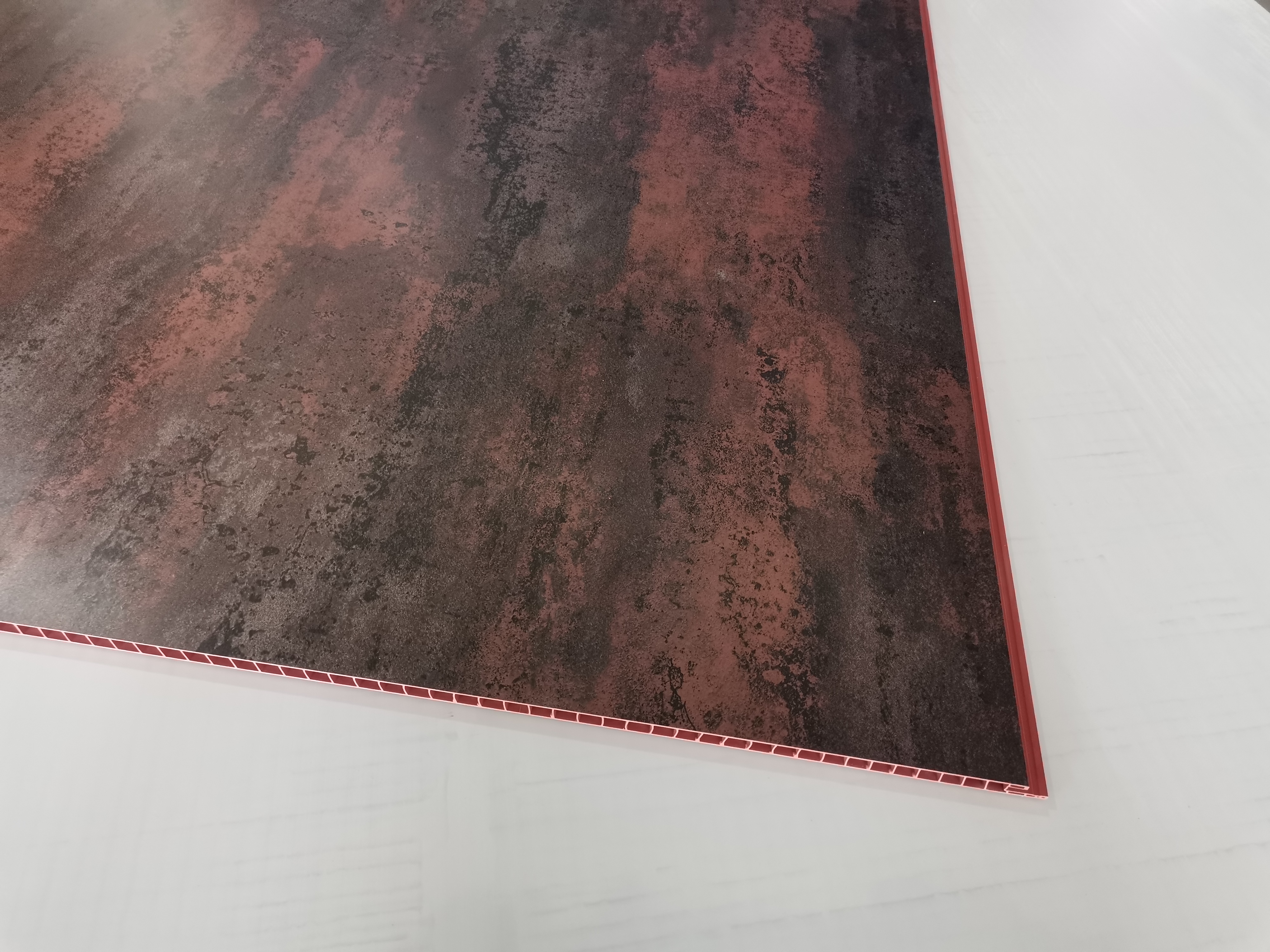
Additionally, contractors often recommend that buyers request samples before committing to large orders. This allows for a hands-on evaluation of the board's quality, appearance, and suitability for the intended application. It’s essential to check for any defects or inconsistencies that could impact installation.
Moreover, contractors appreciate the lightweight nature of ceiling pvc board, which simplifies handling and reduces labor costs during installation. The ability to customize sizes and finishes can also be a significant advantage, allowing contractors to meet specific project requirements without extensive modifications.