 EN
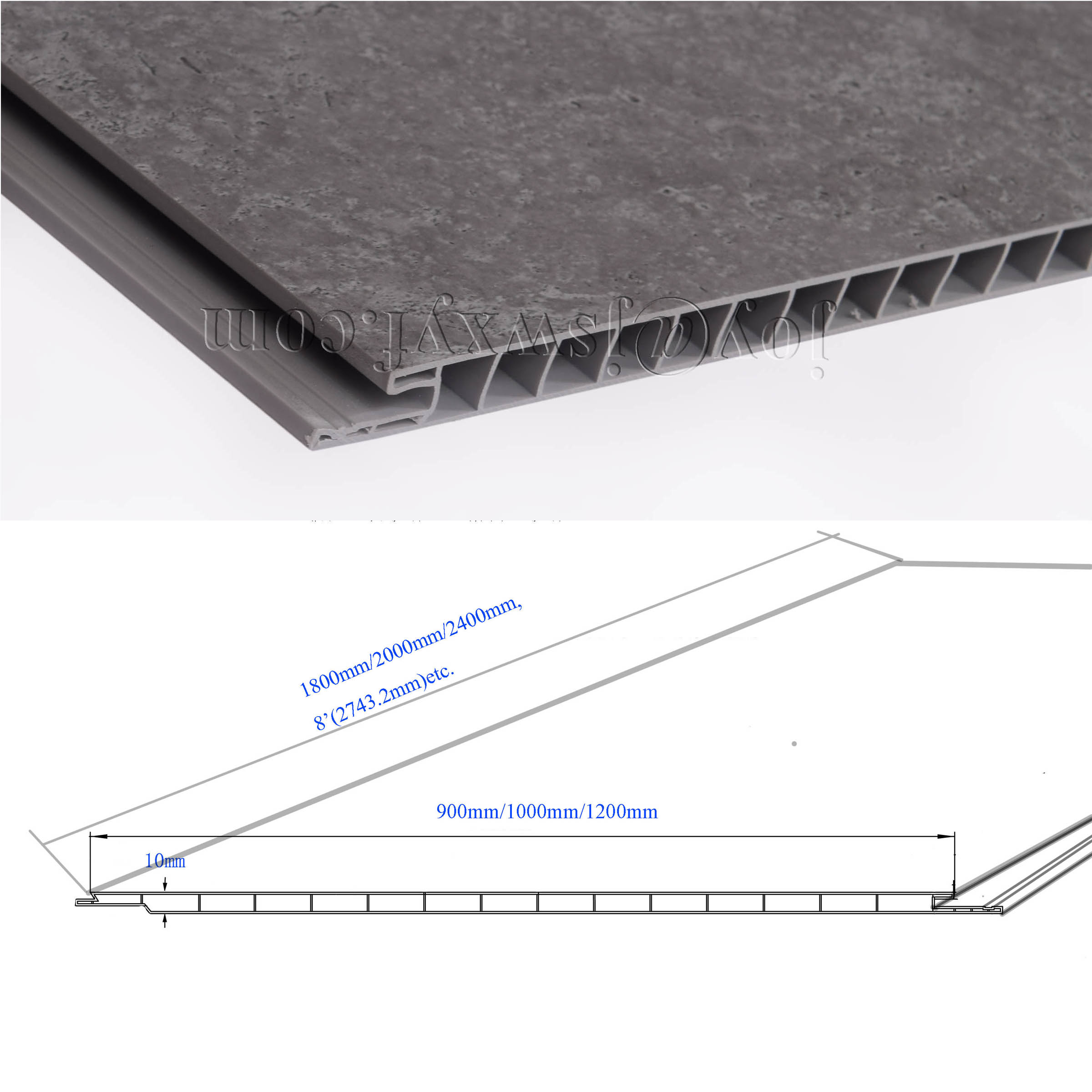
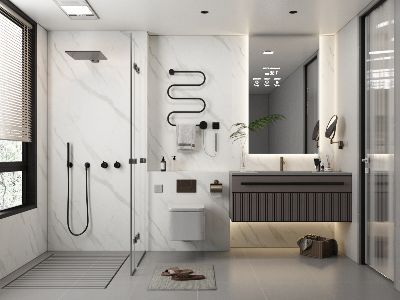
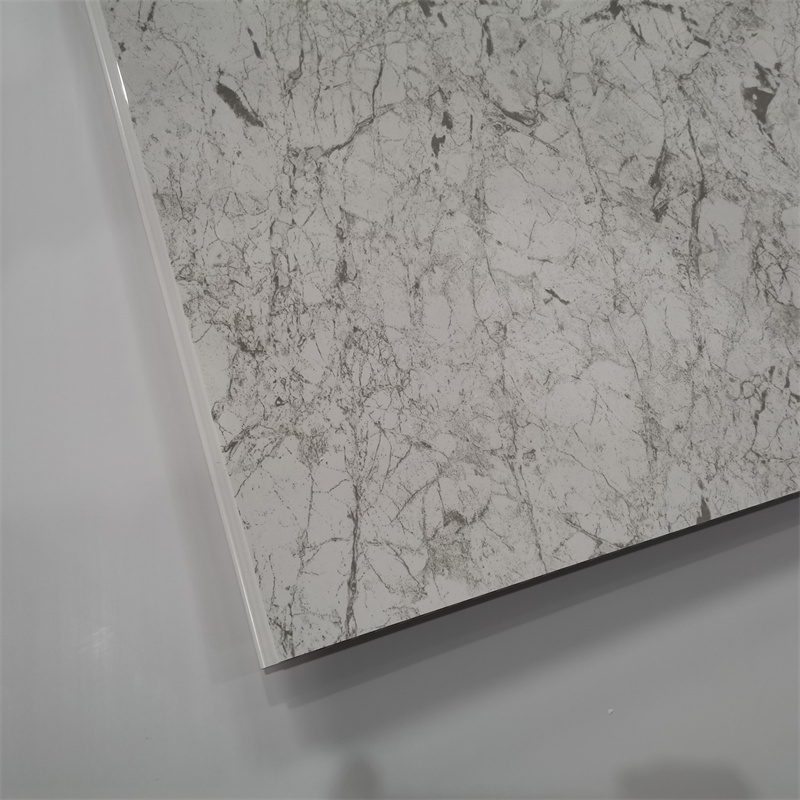
When considering materials for construction and renovation projects, UPVC cladding panels have emerged as a popular and effective choice. These bathroom tub wall panels panels are made from un plasticized polyvinyl chloride (UPVC), which provides excellent durability, weather resistance, and aesthetic appeal. For B2B buyers such as purchasing managers, contractors, and distributors, understanding the nuances of UPVC cladding panels is crucial for making informed purchasing decisions. This article will cover essential aspects including purchasing tips, installation guidance, supplier sourcing, key buyer considerations, and the material advantages for contractors.
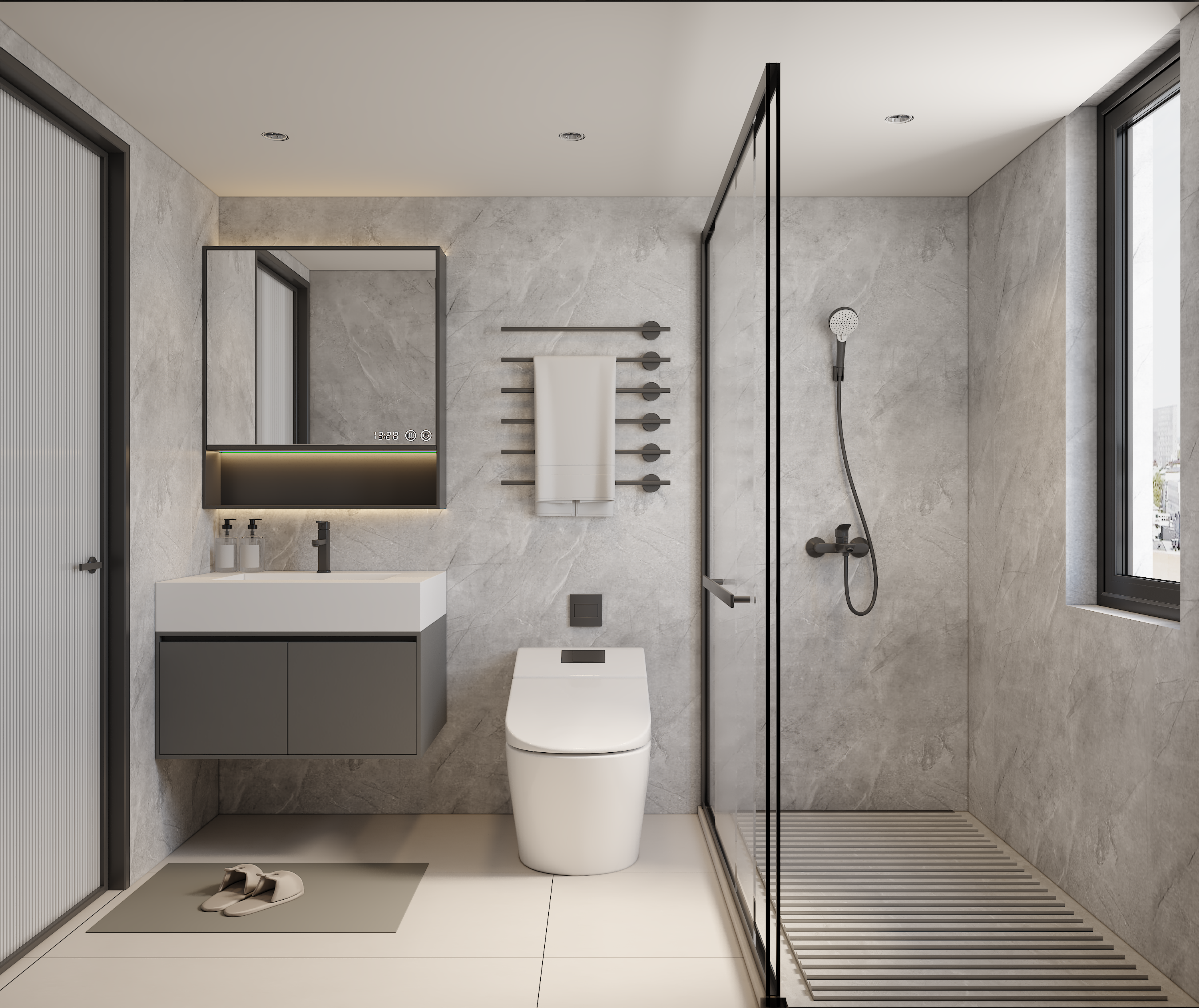
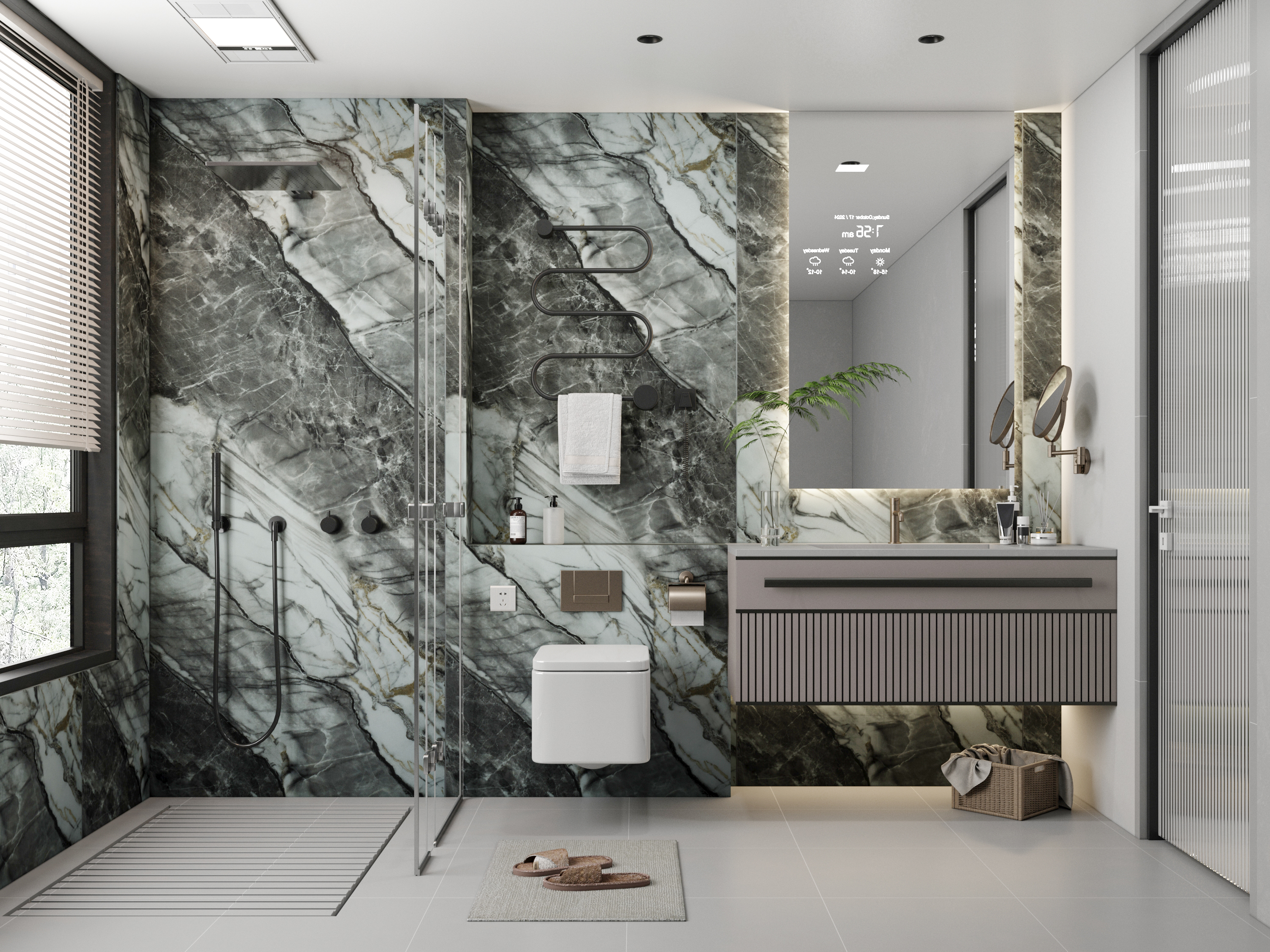
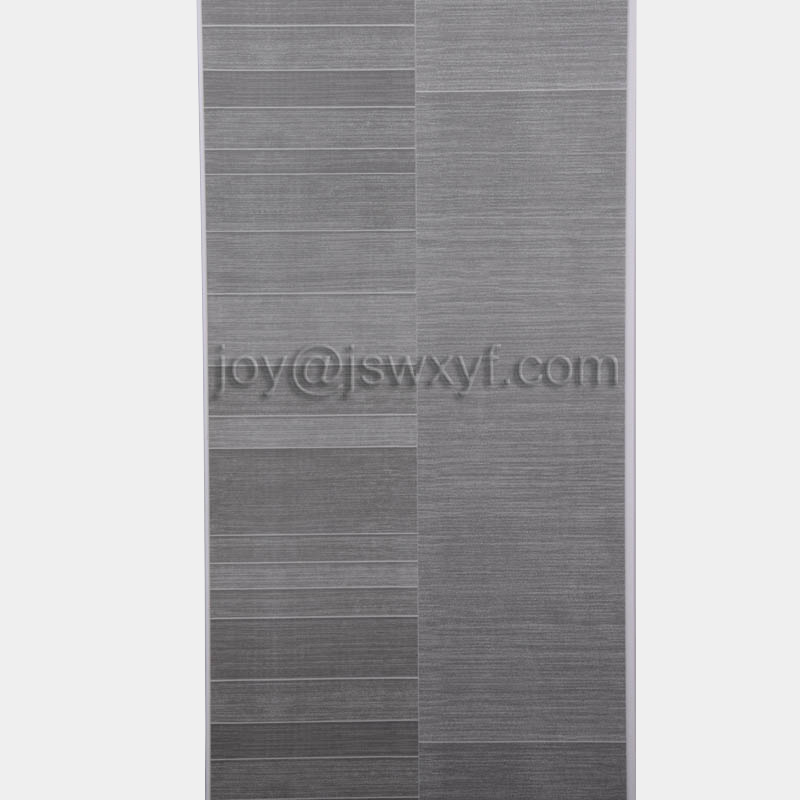
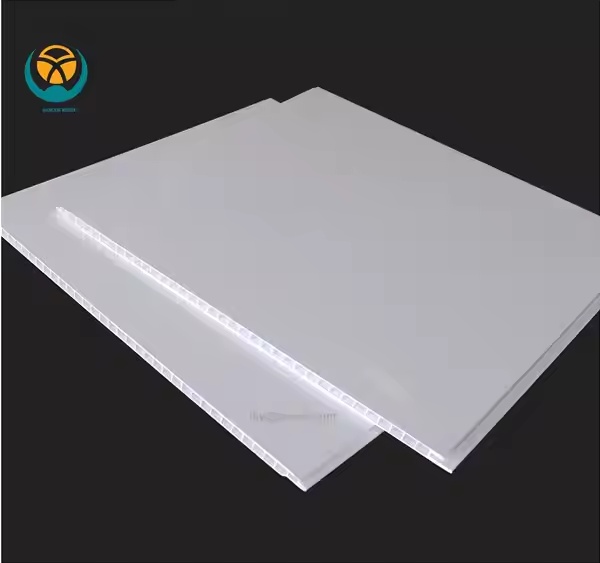
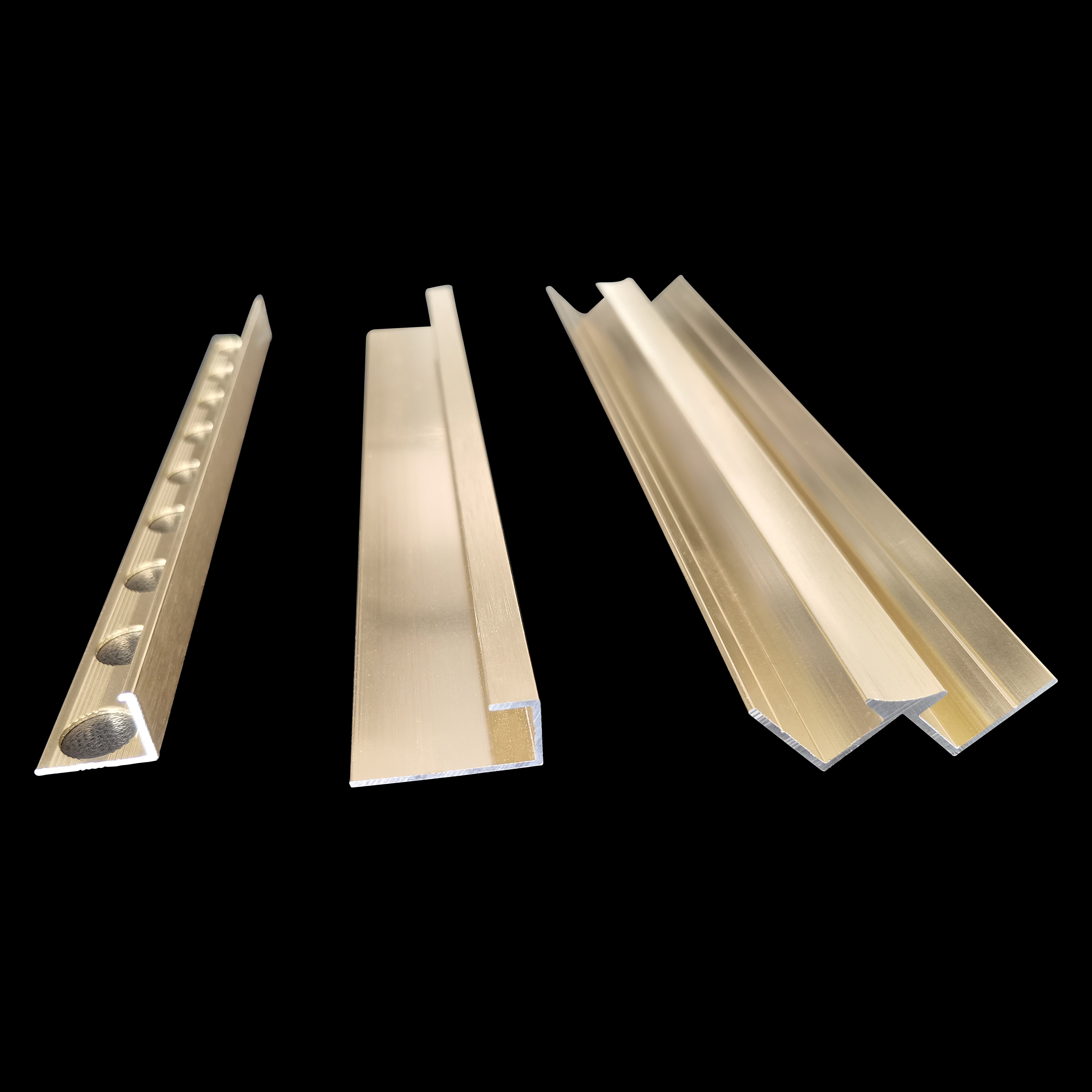
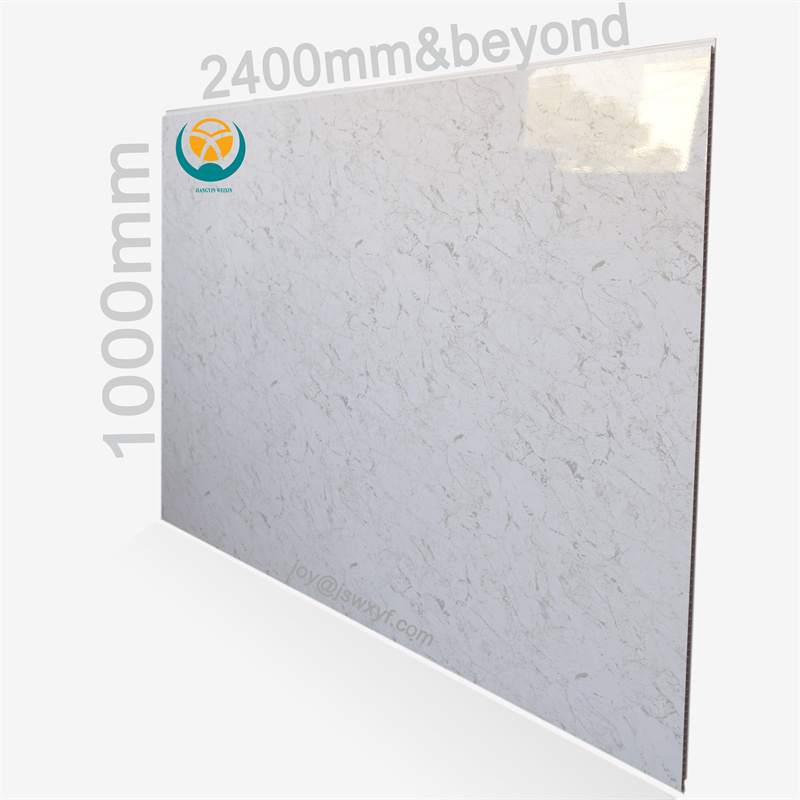
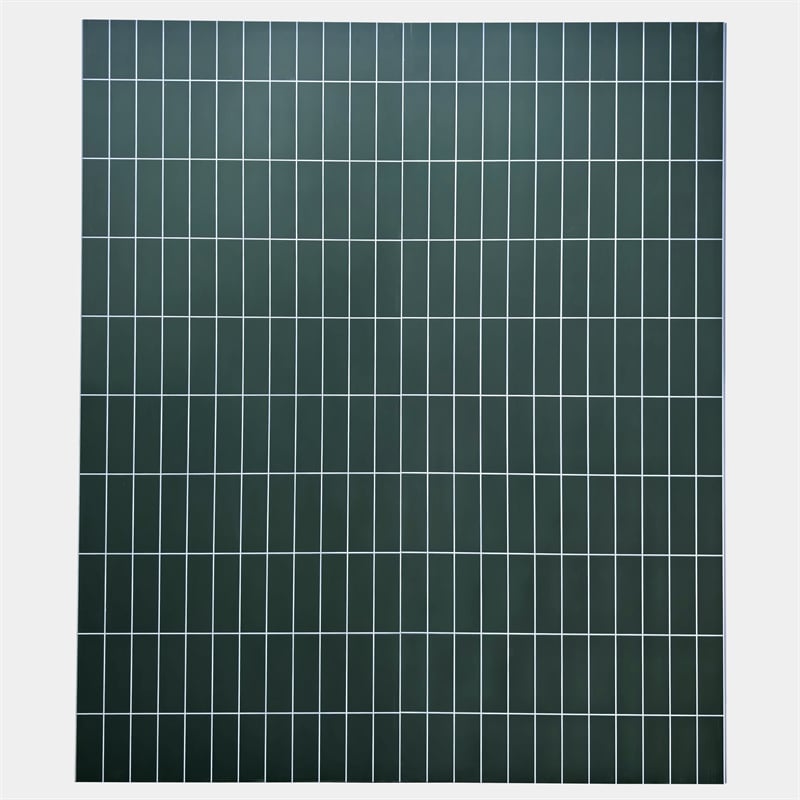
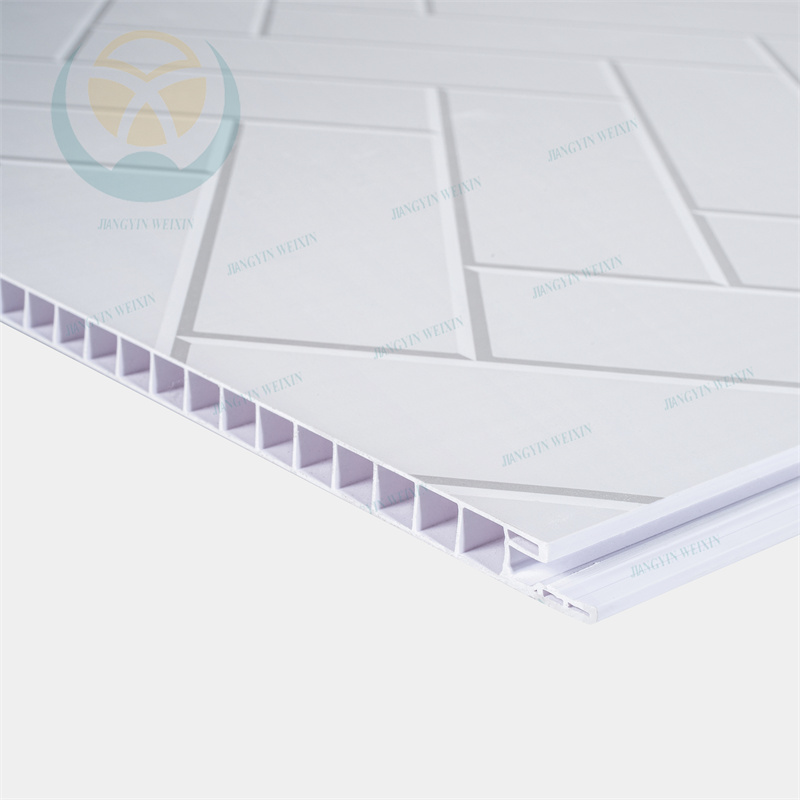
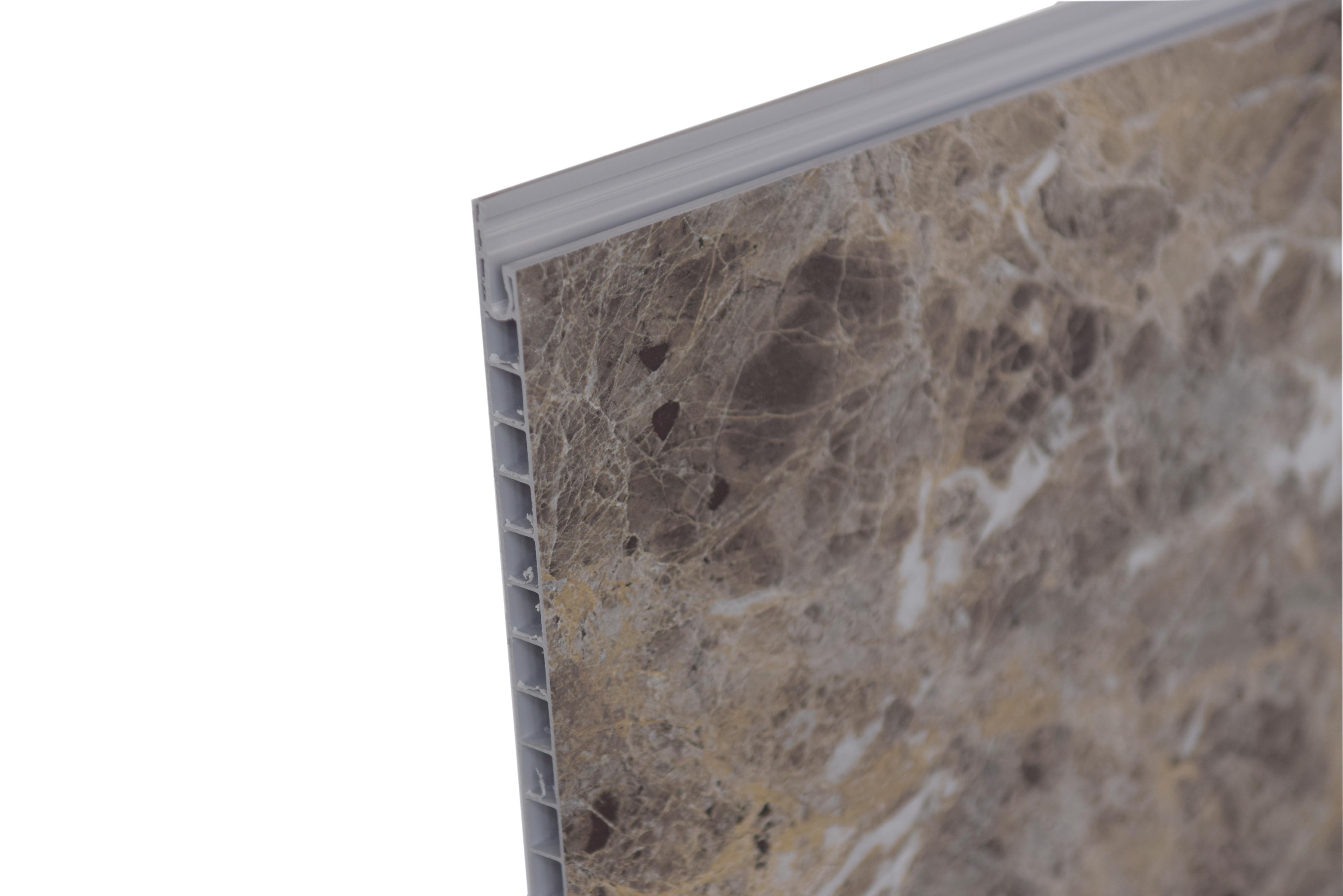
Installing UPVC cladding panels
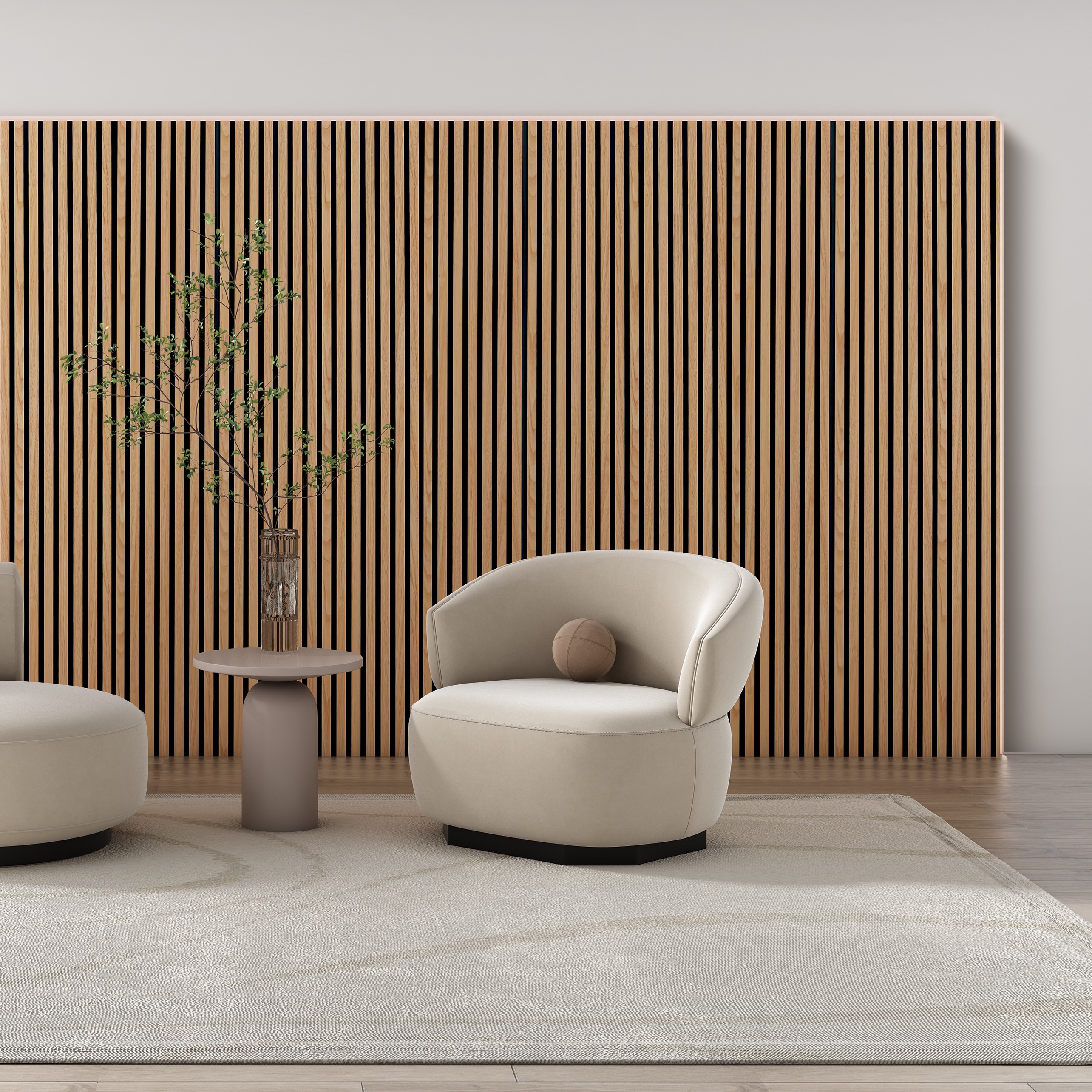
Installing UPVC cladding panels requires careful planning and execution to ensure optimal performance. Begin by preparing the substrate where the panels will be installed. The surface should be clean, dry, and free from any debris to facilitate proper adhesion. For interior applications such as shower walls or ceilings, ensure that the area is adequately waterproofed before installation.
When installing the panels, it’s crucial to follow the manufacturer's guidelines, particularly regarding spacing and fastening methods. Panels should be installed with appropriate gaps to allow for thermal expansion, which is important in varying temperature conditions. Using the right type of adhesive or fasteners will also enhance the durability of the installation.
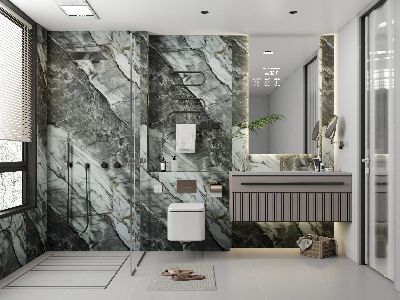
Consider the application of the panels as well. For example, in high-moisture environments like bathrooms, ensure that the panels are specifically designed for such applications to prevent mold and mildew growth. Proper installation is key to maximizing the lifespan and aesthetic appeal of UPVC cladding panels.