Choosing Bathroom Wall PVC Cladding for Your Project

All Categories

bathroom wall pvc cladding

Bathroom wall PVC cladding is an increasingly popular choice for modern bathrooms, offering a practical and aesthetically appealing solution for wall coverings. As a B2B buyer, you may be evaluating options for your next project, considering factors such as durability, maintenance, and installation ease. This article will help you navigate the important aspects of bathroom wall PVC cladding, from selecting the right product to installation guidelines, common challenges, and applications across various environments. For a variety of options, consider checking our Related Accessories.
How to Evaluate the Quality of Bathroom Wall PVC Cladding Products

How to Evaluate the Quality of Bathroom Wall PVC Cladding Products

Evaluating the quality of bathroom wall PVC cladding products is crucial to ensure durability and performance. Here are key aspects to consider:

Manufacturer Reputation: Research the manufacturer’s history and reputation in the industry. A company with extensive experience, like Jiangyin Weixin Plastic Co., Ltd., which has been manufacturing PVC panels for over 30 years, is likely to offer reliable and high-quality products.

Certifications and Standards: Verify if the products comply with relevant industry standards and certifications for safety and quality. This may include certifications for fire resistance, environmental impact, and durability.

Material Specifications: Request detailed specifications, including material composition, thickness, and surface treatment. High-quality PVC cladding often has a solid core, which enhances strength and reduces the risk of warping or bending.

Quality Control Processes: Inquire about the manufacturer’s quality control processes. A robust quality assurance program can help prevent defects and ensure consistency across production batches.

Sample Approval: Always request a sample before committing to a larger order. Inspect the sample for surface finish, color accuracy, and overall quality. Testing the panel under real installation conditions can also provide insights into its performance.

By focusing on these evaluation criteria, buyers can ensure they select high-quality bathroom wall PVC cladding that will meet their needs and exceed expectations.
Installation Guidelines for Bathroom Wall PVC Cladding Solutions

Installation Guidelines for Bathroom Wall PVC Cladding Solutions

Proper installation is vital for the performance and longevity of bathroom wall PVC cladding. Here are essential guidelines to follow:

Surface Preparation: Ensure the wall surface is clean, dry, and free from any debris or contaminants. Any irregularities should be addressed to create a flat and stable substrate for the cladding.

Tools and Materials: Gather all necessary tools and materials, including adhesive, spacers, cutting tools, and protective gear. Familiarize yourself with the specific installation instructions provided by the manufacturer.

Panel Layout: Plan the layout of the panels before installation. Consider starting from a central point or a corner and work outward. This will help maintain symmetry and reduce visible seams.

Cutting and Fitting: Measure and cut panels accurately to fit around fixtures and corners. A CNC cutting machine can provide precise cuts for complex shapes, ensuring a professional look.

Adhesive Application: Apply the adhesive evenly on the wall surface or the back of the panel, following the manufacturer's recommendations. Press the panels firmly into place and use spacers to ensure even gaps where necessary.

Finishing Touches: After installation, seal edges and joints to prevent moisture ingress. Ensure that all panels are securely adhered and check for any gaps or imperfections that may require correction.

Following these installation guidelines will enhance the overall appearance and performance of the bathroom wall PVC cladding, ensuring a successful project outcome.

Common Problems with Bathroom Wall PVC Cladding and Their Solutions

Common Problems with Bathroom Wall PVC Cladding and Their Solutions

While bathroom wall PVC cladding offers many advantages, challenges can arise during installation or use. Here are some common problems and their solutions:

Moisture Issues: If panels are not sealed properly, moisture can infiltrate behind the cladding, leading to mold growth. To prevent this, ensure that all seams and joints are adequately sealed with silicone or a suitable sealant.

Panel Warping: Exposure to extreme temperatures can cause PVC panels to warp. To mitigate this, avoid placing panels in direct sunlight or near heat sources. Selecting high-quality, thicker panels can also improve resistance to warping.

Surface Damage: Scratches and dents can occur if panels are not handled carefully during installation. Use protective gear and handle panels with care to prevent damage. For minor scratches, a vinyl repair kit can often restore the surface.

Color Fading: Over time, UV exposure can cause colors to fade. To combat this, choose panels with UV-resistant coatings and advise customers to avoid direct sunlight whenever possible.

By being aware of these potential issues, buyers can take preventative measures and ensure that their bathroom wall PVC cladding remains in excellent condition throughout its lifespan. Additionally, consider our 600mm Wide PVC Shower Wall Panels for enhanced moisture resistance and durability.

Applications of Bathroom Wall PVC Cladding in Various Environments

Bathroom wall PVC cladding is versatile and can be used in numerous environments beyond traditional bathrooms. Here are some applications:

Commercial Restrooms: High-traffic commercial restrooms benefit from the durability and easy maintenance of PVC cladding. Its moisture resistance makes it suitable for areas prone to splashes and spills.

Saunas and Spas: In environments that experience high humidity, such as saunas and spas, PVC cladding provides an elegant finish while resisting moisture damage and maintaining structural integrity.

Wet Rooms: In wet rooms where water exposure is constant, PVC cladding serves as an excellent wall covering, ensuring easy cleaning and preventing water damage.

Healthcare Facilities: In hospitals and clinics, hygiene is paramount. PVC cladding offers a non-porous surface that can be easily sanitized, making it ideal for medical environments where cleanliness is critical.

Residential Applications: Homeowners increasingly choose PVC cladding for home renovations, especially in basements and laundry rooms, where moisture control is essential.

By understanding the diverse applications of bathroom wall PVC cladding, buyers can make informed decisions on how to best utilize this material in their projects.

What to Consider When Choosing Bathroom Wall PVC Cladding for Projects

When selecting bathroom wall PVC cladding, several key factors should be taken into account:

Material Composition: PVC cladding is typically made from polyvinyl chloride (PVC), known for its durability and resistance to moisture, making it suitable for wet environments like bathrooms. Buyers should verify the thickness of the panels, as thicker panels usually offer better durability and impact resistance.

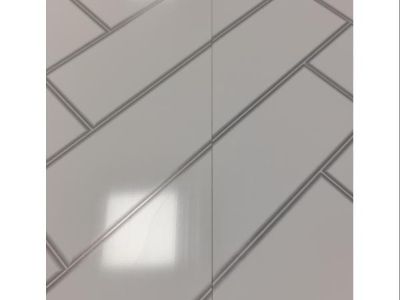
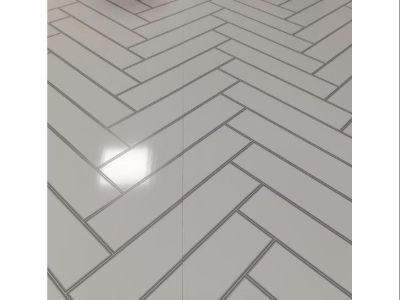
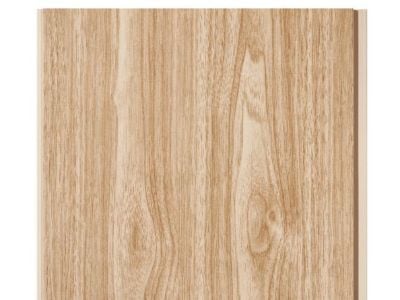
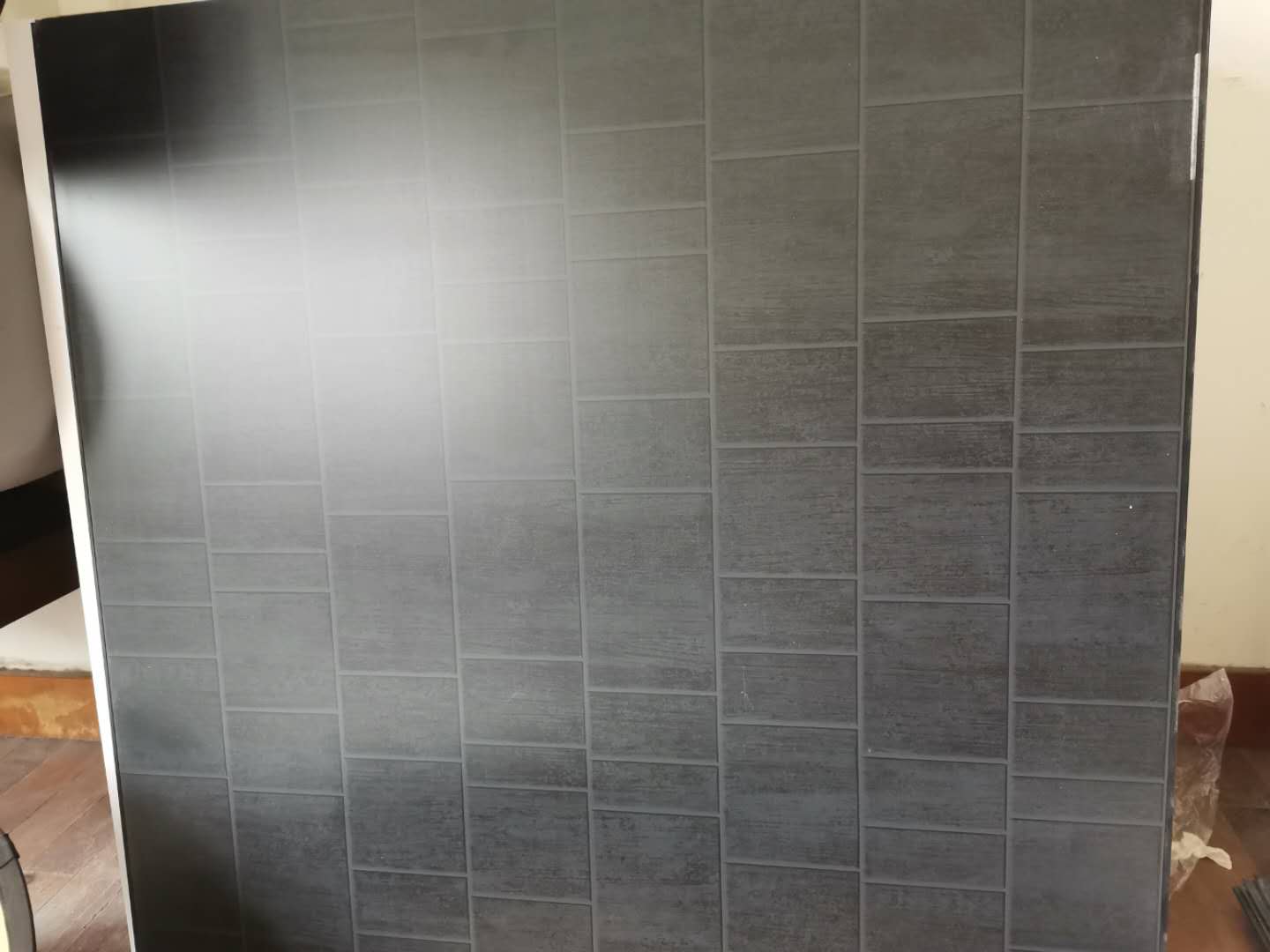
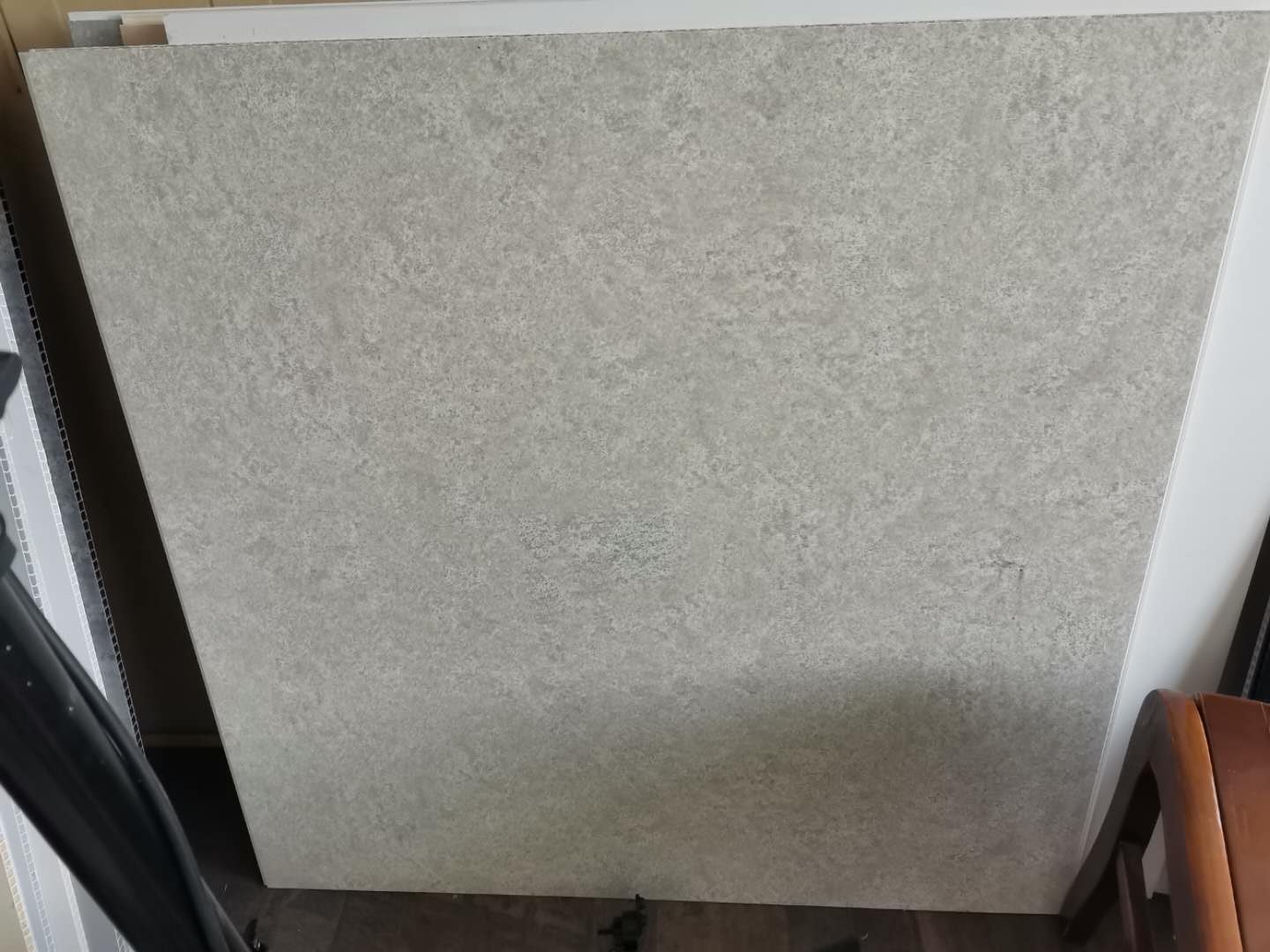
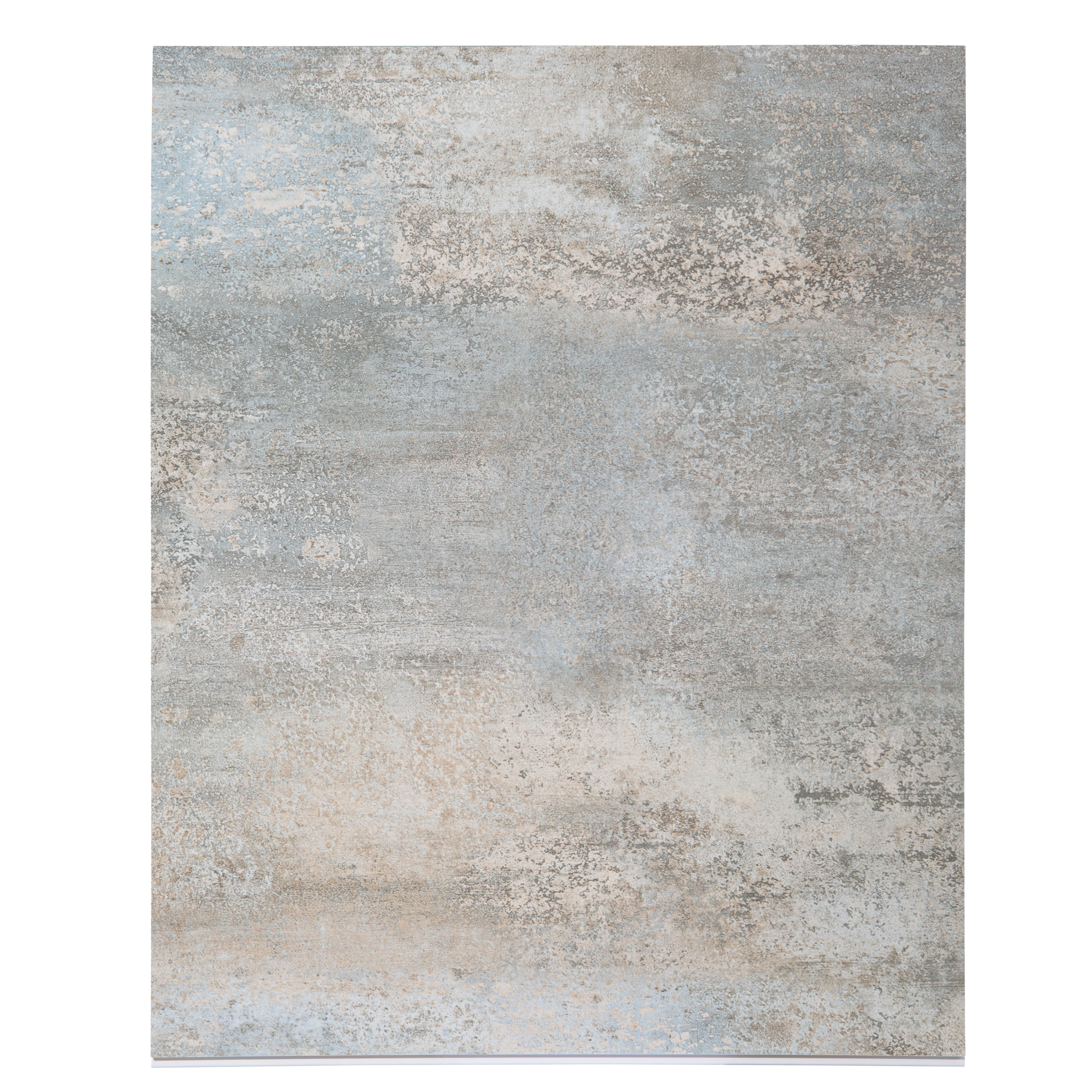
Design and Aesthetics: PVC cladding is available in various designs and finishes, including smooth, textured, and patterned options. Consider the overall design theme of the bathroom, as well as customer preferences. Custom printing options may also be available to accommodate specific aesthetic requirements.

Size and Dimensions: Standard panel sizes vary, so it’s important to confirm the dimensions of the products being considered. This will affect installation time and material waste. Ensure the selected sizes fit well with the intended wall space.

Moisture Resistance: Since bathrooms are high-moisture areas, ensure that the PVC cladding has adequate moisture resistance. Look for products that specify water absorption rates and have a warranty against mold and mildew growth.

Installation Method: Different PVC panels may require different installation methods, such as click-lock systems, adhesive applications, or mechanical fastening. Understanding the installation process can help in selecting a product that aligns with your project's capabilities. For example, our PVC Slat Wall Panels offer various installation methods to suit your needs.

By carefully considering these factors, you can select bathroom wall PVC cladding that best meets your project's requirements while ensuring long-term performance and aesthetic appeal.

Our Blog Posts

PVC Shower Wall Panels: The Best Choice for Small Bathrooms

04

Jan

PVC Shower Wall Panels: The Best Choice for Small Bathrooms

Decor in small bathrooms is tough to access and maintain. They demand special attention in order to look good while serving a purpose. PVC shower wall panels are a great option for all small bathrooms and we have come up with another reason why you s...
View More
The Top 10 Features to Look for in Waterproof PVC Shower Wall Panels

05

Jan

The Top 10 Features to Look for in Waterproof PVC Shower Wall Panels

The waterproof PVC shower wall panels is the high quality for bathroom. They are durable, easy to clean and they protect the walls from water. People are using these panels more now because they look good and last. If you are in retail, it may be a g...
View More
PVC Wall Cladding vs. Traditional Tiles: Which is Better for Your Bathroom?

06

Jan

PVC Wall Cladding vs. Traditional Tiles: Which is Better for Your Bathroom?

When it comes to deciding on materials for your bathroom, you may be asking yourself are PVC wall cladding or tiles better suited? And each of those has its plusses and minuses. You can make a smart choice for your space with the right information. N...
View More

Get a Free Quote

Our representative will contact you soon.
Email
Name
Company Name
Message
0/1000