 EN
PVC cladding panels are versatile, durable wall and ceiling coverings made from polyvinyl chloride (PVC), commonly used in various applications across multiple industries. As a B2B buyer, understanding the specifications, cost factors, common challenges, and diverse applications of PVC cladding panels is crucial for making informed procurement decisions. This bath panel pvc article delves into these aspects, ensuring you are equipped with the necessary knowledge before sourcing these panels for your projects.
When evaluating PVC cladding panels
When evaluating PVC cladding panels, several technical specifications should be closely examined:
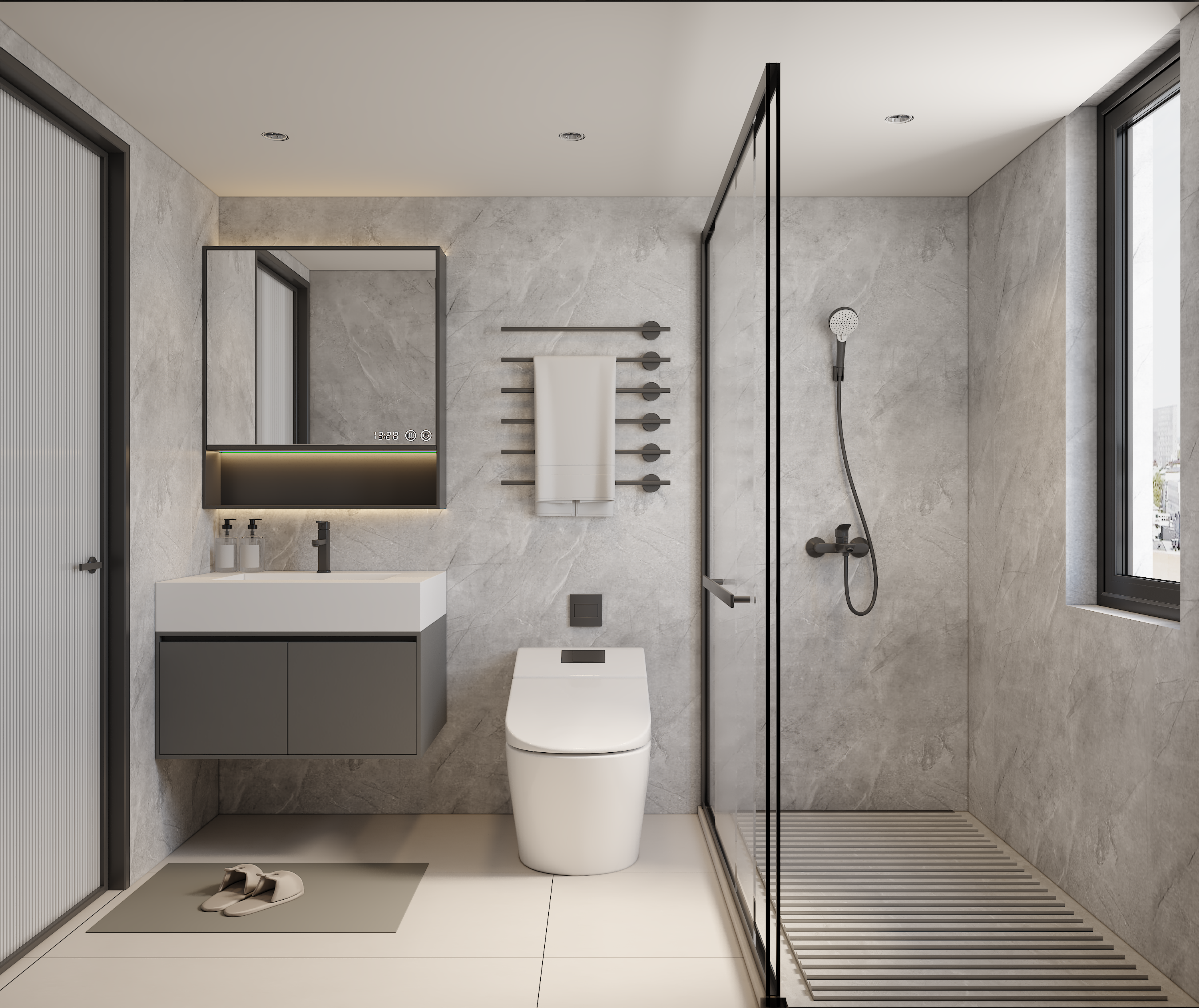
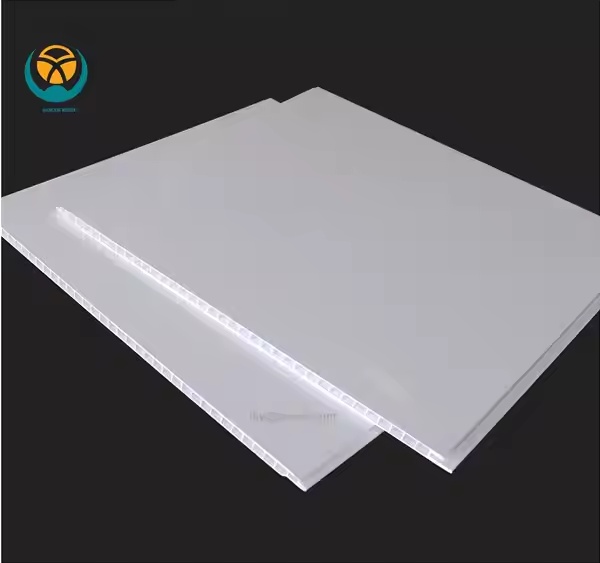
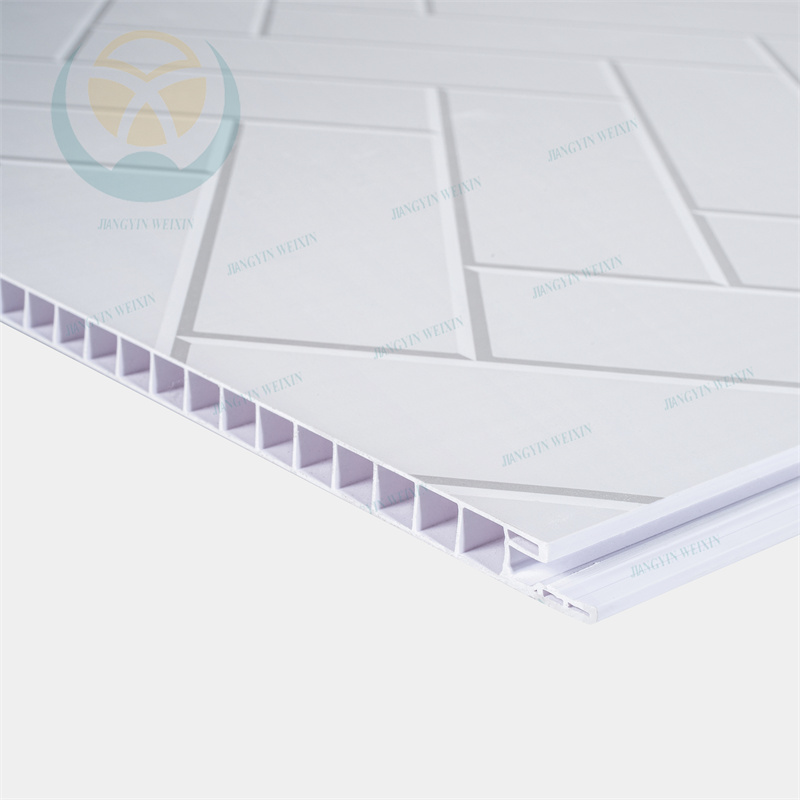
Thickness: Typically ranging from 5mm to 10mm, the thickness of the panels affects their durability and insulation properties. Thicker panels are generally more robust and suitable for high-traffic or high-moisture areas.
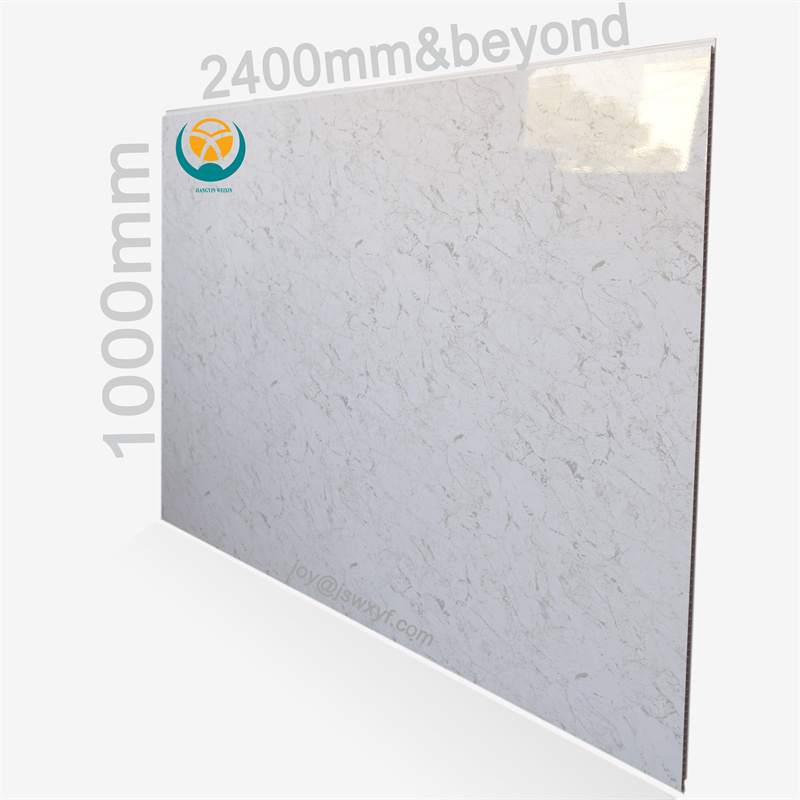
Dimensions: Standard dimensions vary, but panels usually come in 2.4m x 1.2m sheets. Custom dimensions can be requested based on project requirements, allowing for flexibility in design.
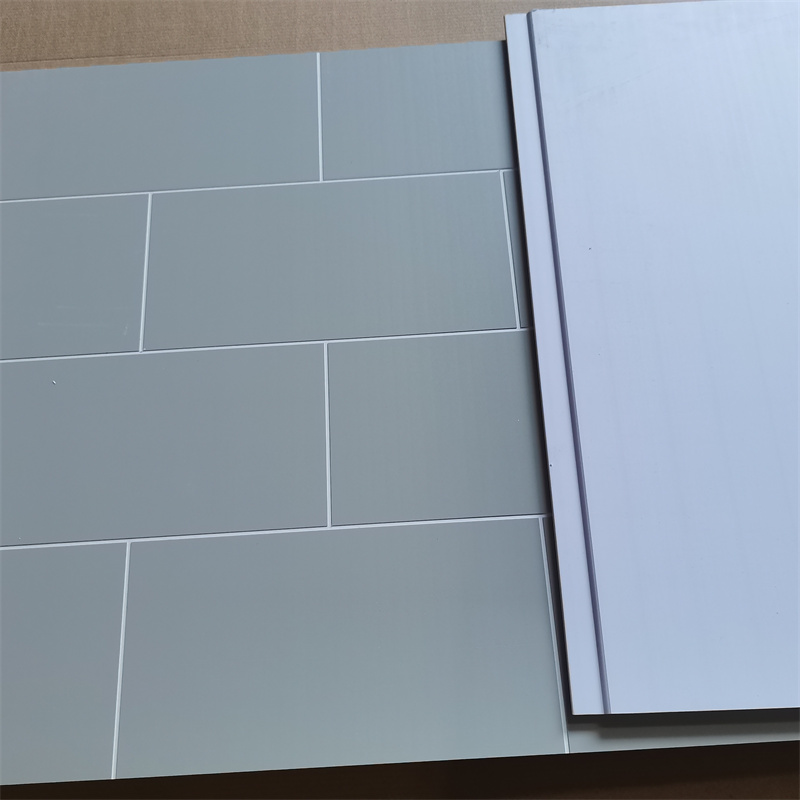
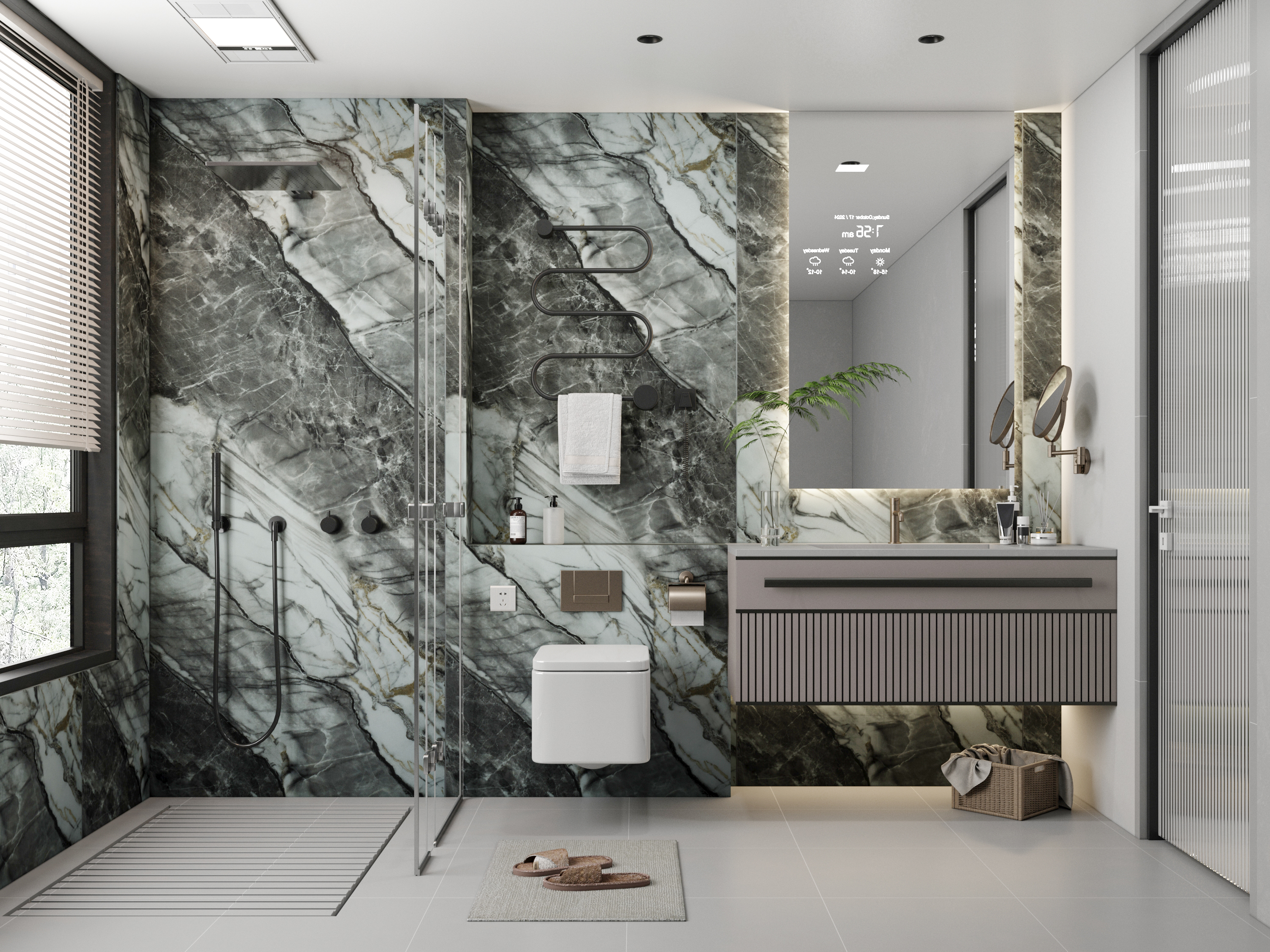
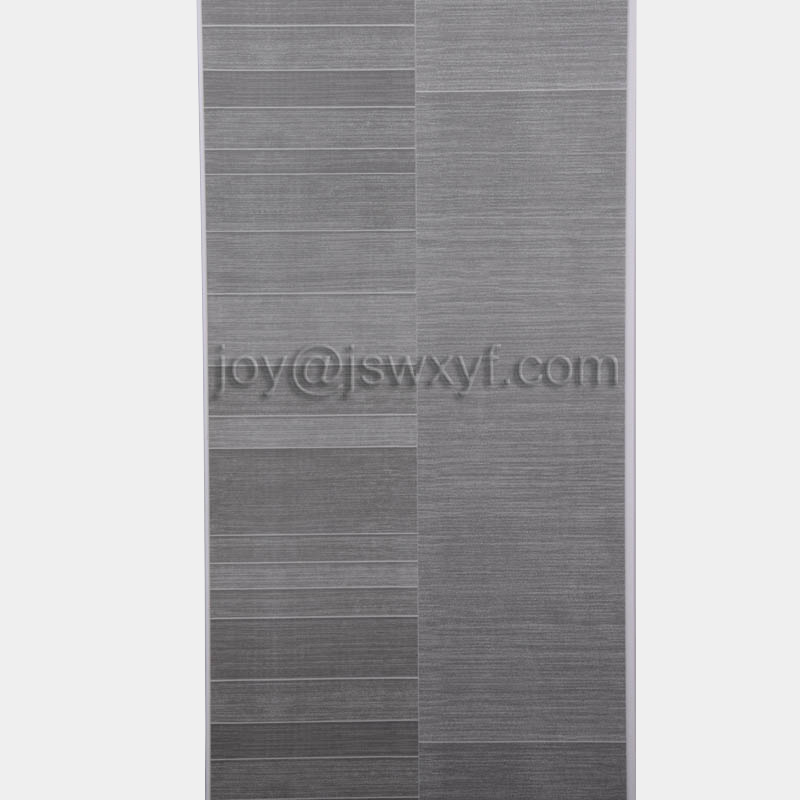
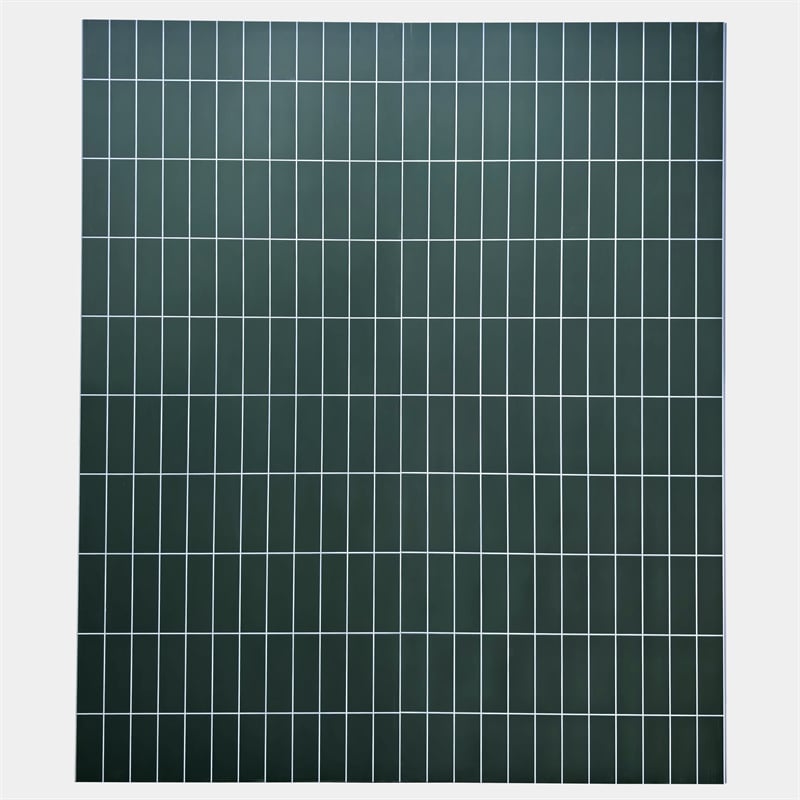
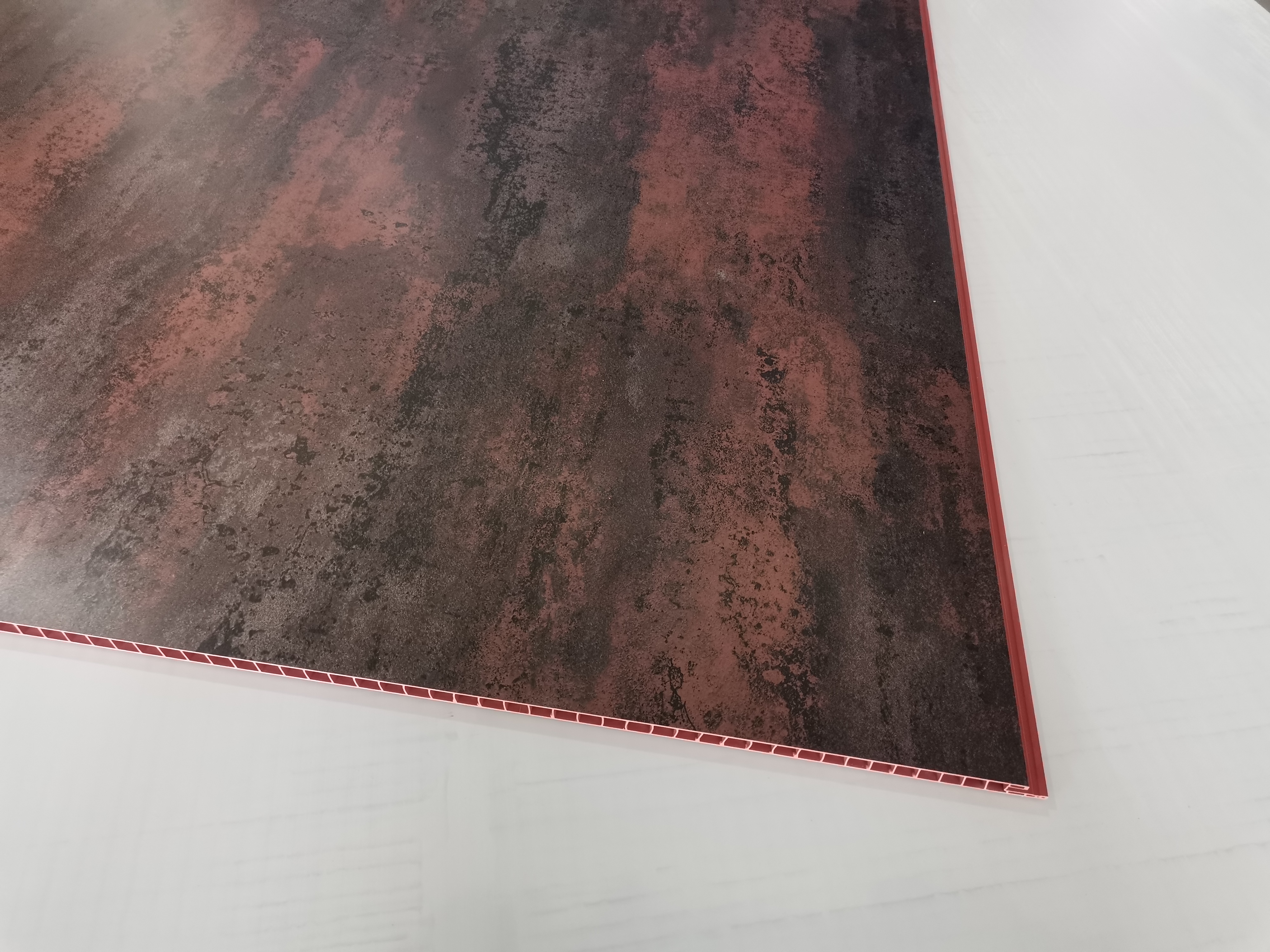
Surface Finish: Panels can have various surface treatments, including glossy, matte, or textured finishes. The bathroom cladding choice of finish impacts not only aesthetics but also the ease of cleaning and maintenance.
Material Composition: High-quality PVC panels may include additional additives to enhance properties such as UV resistance, fire retardant, and impact resistance. Buyers should confirm that the panels meet relevant industry standards for safety and performance.
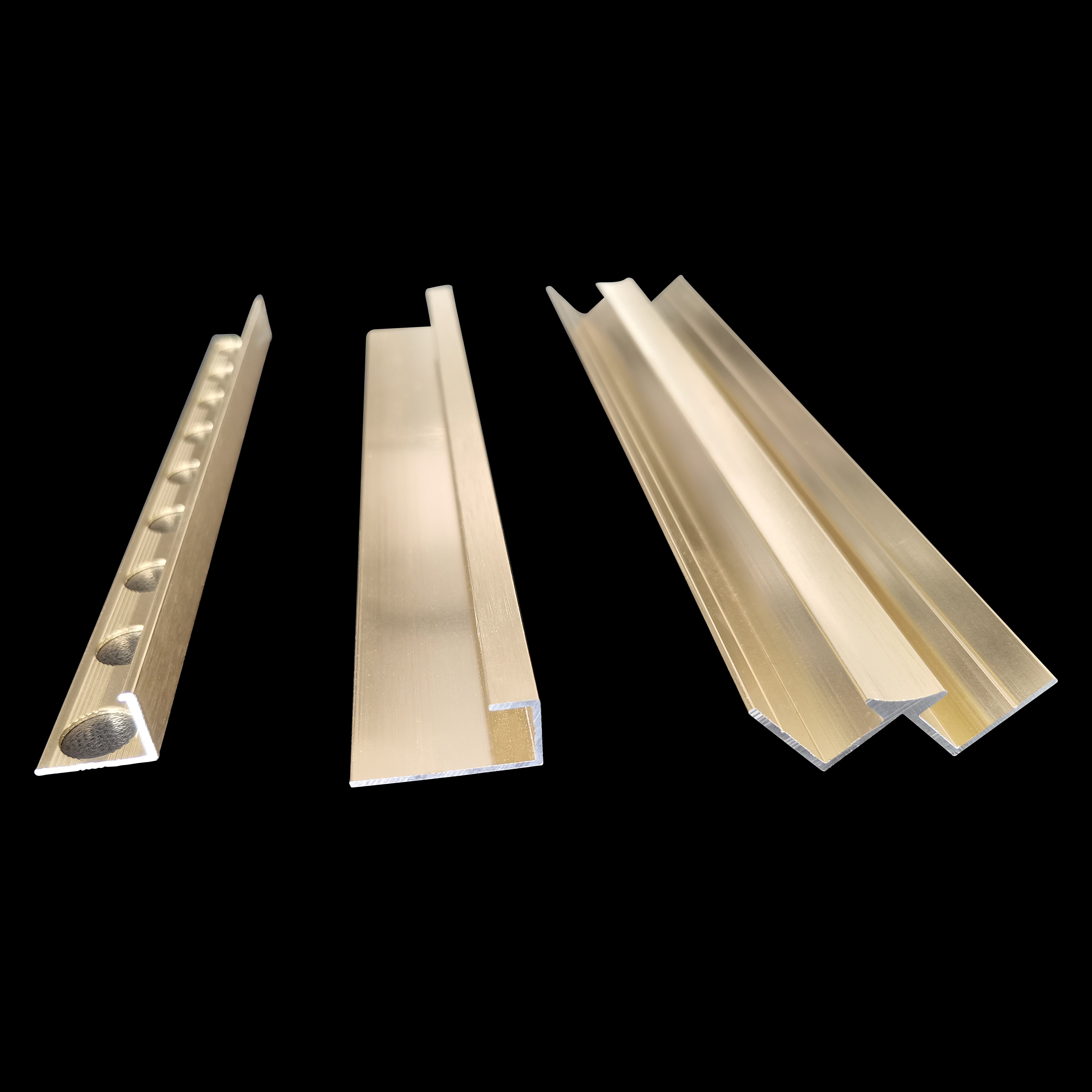
Installation Requirements: Understanding the installation process is crucial. Panels can be installed using adhesive or mechanical fixing methods, depending on the substrate and application. Proper installation ensures longevity and performance.