 EN
When considering the interior design of commercial and residential spaces, PVC planks for walls have emerged as a popular choice due to their versatility, durability, and aesthetic appeal. These panels, manufactured from polyvinyl chloride, offer a lightweight solution for wall coverings that can withstand moisture and wear, making them ideal for a variety of applications. , we will explore essential factors that B2B buyers should consider when selecting PVC planks, including specifications, cost considerations, best practices for installation, and their diverse applications across industries.
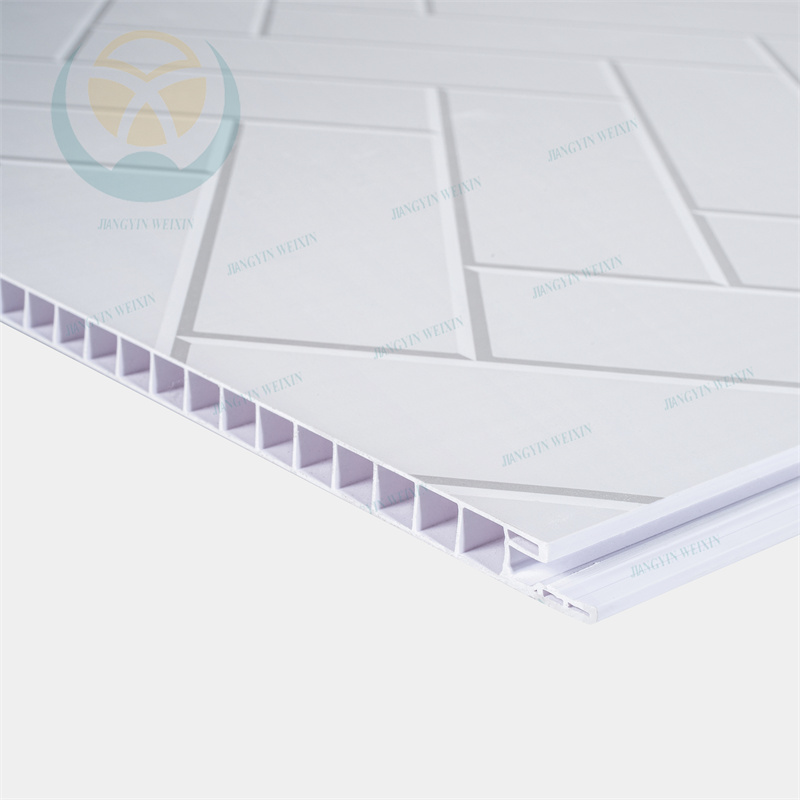
Key Specifications of PVC Planks for Reliable Installations
Understanding the specifications of PVC planks is essential for ensuring reliable installations. Key specifications to consider include:
Material Composition: The quality of the PVC used can affect durability, flexibility, and resistance to environmental factors. High-grade PVC will offer better resistance to fading and wear.
Dimensional Accuracy: Precise dimensions are vital for a seamless installation. Variations can result in gaps or misalignments, compromising the overall aesthetic. Buyers should check that the panels adhere to industry standards.
Thermal Properties: The ability of PVC to insulate can vary. For spaces with temperature fluctuations, selecting panels with good thermal resistance can enhance energy efficiency.
Fire Ratings: Depending on the application, some buyers may require panels that meet specific fire safety standards. Confirming these ratings with the manufacturer can prevent compliance issues.
By understanding these specifications, buyers can ensure that the 10mm pvc wall panels they choose will meet the performance demands of their specific applications.